


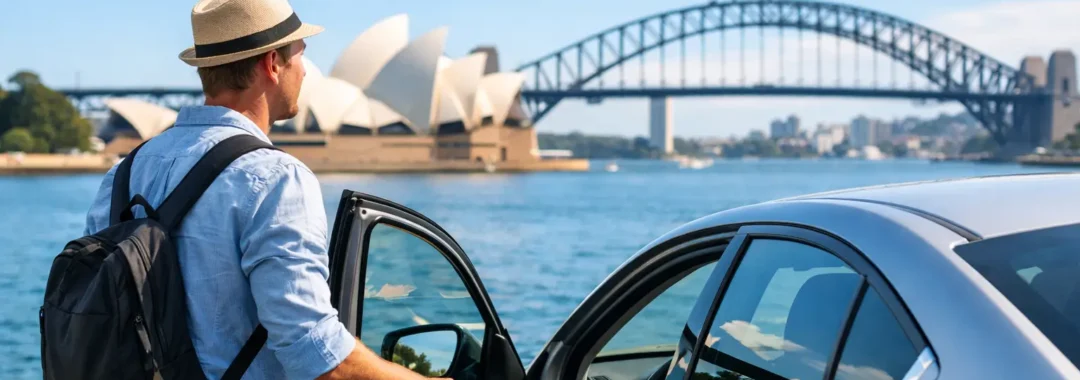
Landing in Sydney with luggage, jet lag and a plan to see more than the CBD? A rental car can make the trip far easier, whether you are heading to Cronulla, visiting family in the Shire, moving between meetings or taking a road trip beyond the city. But car hire for overseas visitors comes with a few practical checks that are worth sorting out before you arrive.
The good news is that hiring a car in Sydney does not need to mean paying premium airport-counter prices or dealing with a long, impersonal process. With the right documents, a clear understanding of local road rules and a vehicle that suits your plans, you can collect your car and get on the road with confidence.
What overseas visitors need to hire a car
Your driver licence is the first thing to check. Overseas visitors can generally drive in New South Wales using a current overseas licence, provided it is valid and written in English. You must carry the original physical licence with you when driving. A photo on your mobile or a copy is not a substitute.
If your licence is not in English, bring an International Driving Permit or an official English translation as well as your original licence. The permit supports your home-country licence – it does not replace it. Bring your passport too, as it is commonly needed to verify your identity at collection.
Most rental providers also require the main driver to meet a minimum age requirement and hold a valid licence. Drivers aged under 25 may still be able to hire, though a young driver fee, a higher bond or limits on certain vehicle groups can apply. This varies between companies, so it is better to ask before booking than assume every vehicle is available.
The person named as the main driver should be the person paying and collecting the vehicle. If a partner, friend or colleague will share the driving, make sure they are approved and added to the rental agreement before leaving. An unlisted driver may not be covered if something goes wrong.
Car hire for overseas visitors: book for your actual trip
A cheap daily rate is a good start, but the right vehicle can save money and stress over the full trip. A compact hatchback or sedan is usually ideal for couples, solo travellers and city stays. It is easier to park around Sydney, uses less fuel and still gives you room for day-trip bags.
Families, groups with suitcases or travellers heading out of town may be better off in a 7-seat AWD SUV. Count passengers and luggage honestly. Seven seats do not always mean space for seven large cases in the boot, particularly when every seat is occupied.
For a relocation, a ute or moving van is often more practical than trying to force boxes into a passenger car. If you are travelling for a special occasion or business visit, a premium vehicle may suit, but check the bond and excess conditions first. Higher-value cars can have different eligibility requirements.
Before confirming your booking, consider where you will stay. Inner-city hotels may charge for parking, and some apartment buildings have tight access or limited visitor spaces. If you only need a car for a couple of days outside the city, collecting it after your CBD stay can be smarter than paying for parking while the car sits still.
Understand the price before you arrive
Visitors often compare a headline rate and assume the cheapest number is the cheapest hire. The total cost matters more. Ask what is included in the quoted price and what may be charged separately, including the rental bond, insurance excess, additional driver fees, young driver fees, toll processing and late return charges.
The bond is a temporary security amount held against the rental. It is separate from the rental price, so make sure your payment card has enough available funds. The release time after return can depend on your bank, even when the vehicle has been checked in promptly.
Insurance language can be confusing, especially when travelling between countries. Rental cars normally carry basic cover, but an excess may apply if the car is damaged, stolen or involved in an incident. Excess reduction options can lower your financial exposure for an extra daily cost. Whether it is worthwhile depends on your budget, the length of hire, where you are driving and any travel insurance you already hold.
Read your travel insurance policy rather than relying on its title. Some policies cover rental-car excess, while others exclude particular vehicle types, drivers under a certain age, single-vehicle incidents or damage to tyres, windscreens and the underbody. If you decide to rely on travel insurance, know the claims process and keep your rental paperwork.
A provider that explains charges clearly is worth choosing. Low Cost Car Rental focuses on straightforward pricing, low-bond options and personalised support, which can be particularly helpful when you are booking from overseas and want answers before you land.
Sydney driving rules visitors should know
Australians drive on the left. That sounds simple, but the first few turns out of an airport or busy car park can feel unfamiliar if you normally drive on the right. Take a moment to adjust your mirrors, set up navigation and get comfortable with the indicators and windscreen wipers before entering heavy traffic.
Speed limits are strictly enforced, including through fixed and mobile cameras. Do not assume roads that look wide or open have a high limit. Watch for posted signs, particularly around school zones, roadworks and residential streets. School-zone limits operate at set times on school days and carry serious penalties.
Seatbelts are compulsory for everyone in the vehicle, and children must use an appropriate child restraint. Mobile phone rules are also strict. Drivers should not hold or use a mobile while driving, even when stopped at traffic lights. Set your route before moving or use an approved hands-free setup.
Sydney has toll roads, and many do not have cash booths. Rental vehicles may be connected to a toll arrangement, with tolls and an administration charge passed on after your trip. Ask how tolls are handled before collection, especially if you expect to use the M8, M5, M4 or cross the city frequently. A navigation app may offer toll-free routes, but they can add considerable time, so compare the trade-off.
Parking signs need close attention. Restrictions can change by time of day, and clearways are especially important on major roads during peak periods. Parking in a clearway can lead to a fine and the vehicle being towed. When in doubt, choose a paid car park or find a spot with a sign you can clearly understand.
Make collection and return easier
Airport hire is convenient, but it is not the only option. An airport-adjacent location, vehicle delivery or an agreed after-hours collection arrangement may give you more flexibility and a better price than a major terminal desk. This can be useful if your flight arrives late, you are staying in Alexandria, Mascot or the CBD, or you simply want to avoid airport agency queues.
Keep your booking confirmation, passport, licence, payment card and any permit or translation together in your carry-on bag. Do not pack them in checked luggage. At collection, inspect the car with the staff member, take time-stamped photos of the exterior and interior, and make sure existing marks are recorded. Check the fuel level, tyre condition and any accessories you requested, such as a child seat.
Before returning the car, remove personal items from the glovebox, door pockets and boot. Fill the vehicle to the agreed fuel level if your booking requires it, allow extra time for traffic, and take a final photo of the car and fuel gauge. If returning after hours, follow the agreed instructions carefully and confirm where keys should be left.
A few questions worth asking before you book
There is no need to overcomplicate car hire, but a short call or message can prevent surprises. Confirm whether your overseas licence is accepted, whether an International Driving Permit is needed, the bond amount, excess options, toll arrangements and the exact collection procedure. If your flight time is uncertain, ask what happens if you arrive late.
Also be upfront about your plans. Tell the rental team if you need room for surfboards, a baby capsule, large luggage, moving boxes or several drivers. A friendly local team can recommend a suitable vehicle before you commit, rather than leaving you to solve a space problem in the car park.
A good Sydney trip should begin with the keys in your hand, clear costs and a car that fits the way you actually travel. Sort the practical details early, then leave room in the itinerary for the places you did not expect to find.

