


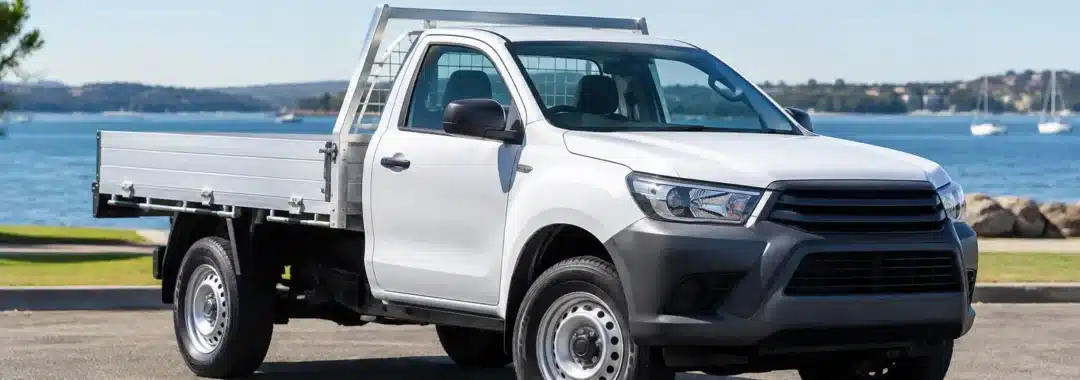
A ute makes sense when your hatchback is not going to cut it. Whether you are collecting flat-pack furniture from a big-box store, shifting tools between jobs, clearing green waste, or moving the last few heavy items into a new place, the right vehicle can save multiple trips and a lot of frustration. When comparing Caringbah ute hire options, focus on the job in front of you rather than simply choosing the cheapest daily rate.
The best-value hire is the one that carries what you need safely, fits your timeframe, and comes with clear conditions from the outset. For many locals around Caringbah, Miranda, Taren Point and the wider Sutherland Shire, that means a practical, well-maintained ute with flexible collection and return arrangements – not an oversized vehicle with costs they did not expect.
Start With What You Need to Carry
Before booking a ute, think about the load, not just the destination. A tray is ideal for bulky, awkward or dirty items that do not belong inside a passenger car. Garden supplies, tools, boxed furniture, timber, appliances and renovation materials are common examples.
Measure the longest item if you can. A quick check of length, width and height can prevent a frustrating collection day where a mattress, sheet of plasterboard or work bench does not fit as planned. Also consider whether the load needs to stay dry. An open ute tray is convenient, but rain can quickly damage cardboard boxes, untreated timber and some furniture. A tarp and proper tie-downs may be needed.
Weight matters too. A ute can carry plenty, but every vehicle has a payload limit. Do not assume that a tray full of pavers, soil, tiles or wet building materials is automatically safe to transport. If the job involves particularly heavy materials, check the vehicle’s carrying capacity before you book and spread the load evenly across the tray.
Caringbah Ute Hire Options for Different Jobs
Not every ute hire is for a house move. Choosing based on the type of work helps you avoid paying for more vehicle than you need.
Quick furniture and retail collections
For a sofa, outdoor setting, washing machine or a few large boxes, a ute can be a simple alternative to organising delivery. This is often a short hire, but leave enough time for loading, securing the items and returning the vehicle without rushing. Factor in traffic around shopping precincts and the time it takes to carry bulky items from the store to the vehicle.
DIY projects and garden clean-ups
A ute is particularly useful for weekend work around the house. You can collect timber, mulch, tools or landscaping supplies, then take green waste or unwanted materials away afterwards. Keep loose items contained and never let loads extend dangerously beyond the tray without checking legal requirements and using clear warning measures where required.
Trades and business runs
For tradies and small operators, a hired ute can fill a gap when your own vehicle is off the road, a job requires extra carrying capacity, or you need a second vehicle for a busy period. The cheapest option is not always the best fit here. Consider tray access, available space for tools, the condition of tie-down points, and whether the hire period suits the job schedule.
Small moves
A ute can work well for a partial move, especially when you are transporting whitegoods, a mattress, a desk or items from a garage. It is less suitable for a full household move in bad weather or where you have many fragile belongings. In those situations, a moving van may be the more efficient choice, even if the daily rate is higher, because it protects the load and reduces the number of trips.
Choose a Hire Period That Leaves Room for Delays
A short rental can look appealing, but it needs to match the real job. Collecting a ute, driving to the pickup point, loading safely, unloading and refuelling can take longer than expected. A retailer may have a queue at goods collection, a mate helping you move may run late, or the lift at an apartment building may be busy.
For a straightforward local collection, a shorter hire period may be all you need. For moving day, multiple supplier pickups or trade work that could run over, a full-day or multi-day booking offers more breathing room. It can also be better value than extending a short booking at the last minute.
Ask about collection and return times before confirming. After-hours pickup and drop-off can make a real difference if you are working during business hours or arranging help on a weekend. Low Cost Car Rental offers practical hire options designed around real Sydney schedules, with friendly support available when you need clarity before you set off.
Look Beyond the Advertised Daily Rate
Price matters, especially when the ute is only needed for a day. Still, comparing rates properly means looking at the complete booking, not just the first number you see.
Check what is included in the quoted rate, the bond amount, insurance excess, kilometre allowance and fuel policy. Ask whether there are charges for late returns, additional drivers, tolls, cleaning, or returning the vehicle with less fuel than it had at collection. Clear answers are a good sign that you are dealing with a provider that respects your time and budget.
A low bond can be especially helpful when cash flow is tight around a move, renovation or unexpected vehicle issue. It is also worth asking what documents are required so you can arrive ready to collect the ute. Most renters will need a valid licence and identification, while age and licence conditions can vary between providers.
Load the Ute Safely Before You Drive Away
Getting the right hire vehicle is only half the job. An unsecured load can shift under braking, become a hazard to other road users, or damage the items you are trying to transport.
Place heavier items low and as close to the front of the tray as practical. Distribute weight evenly from side to side, then secure each major item using appropriate rated straps or restraints. Rope may be suitable for light items, but it is often not the best choice for heavy furniture, machinery or building materials. Do not rely on a loose blanket, a few knots or the tailgate alone.
Avoid stacking loads so high that they affect visibility or stability. If you cannot see clearly through mirrors, cannot close the tailgate safely, or are unsure whether an item is properly restrained, stop and reassess before driving. Take corners gently, allow more braking distance and remember that a loaded ute handles differently from an empty car.
When a Ute Is Not the Best Option
A ute is versatile, but it is not automatically the right answer. A moving van may be better for a complete apartment move, fragile belongings, wet-weather transport or a large volume of boxes. A seven-seat SUV may suit a family trip where passenger space is the priority. If you are transporting something unusually long, high, heavy or valuable, speak with the hire provider first rather than trying to make a standard ute do a job it was not designed for.
This is where local, human service is useful. A quick conversation about what you are moving and how long you need the vehicle can help you choose a practical option without paying for unnecessary capacity.
Book With a Clear Plan
The easiest ute hire runs are planned around the load, the timeframe and the return process. Measure the big items, confirm where you can park for loading, organise straps and protective covers, and make sure the person collecting the vehicle has the required licence and booking details. If you are heading to a busy retail area or apartment complex, allow extra time rather than booking to the minute.
A ute can turn a difficult collection, renovation run or small move into a manageable job. Choose the vehicle that suits the load, ask clear questions about the total cost, and give yourself enough time to do the work safely. That is how you keep the hire simple, affordable and genuinely useful.

