


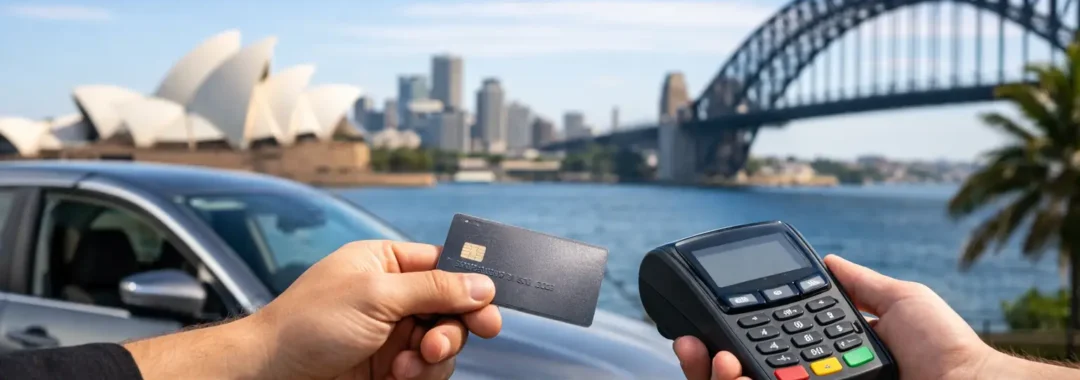
You have found a good car hire rate, packed your bags, and are ready to collect the keys – then one question stops the booking: can I rent with debit card? In many cases, yes. But debit-card car hire can come with different bond requirements, account checks and vehicle restrictions, so it pays to know the details before you arrive.
For Sydney renters, this matters most when you are hiring on a tight budget, travelling without a credit card, moving house in a van, or collecting a car after a flight. The simple rule is this: a debit card may be accepted, provided it is in the main driver’s name, has enough available funds, and meets the rental company’s conditions.
Can I rent with a debit card in Sydney?
Yes, many local car rental businesses accept debit cards for eligible bookings. Acceptance is not automatic, though. Each company sets its own rules around payment cards, security bonds, driver age, licence type and the vehicle being hired.
A debit card works differently from a credit card because the bond is usually held against money already available in your bank account. If the required bond is $500, for example, you need the hire cost plus at least $500 in cleared, available funds. A daily transfer limit or money sitting in a pending transaction can still cause a problem at collection.
That is why the cheapest advertised daily rate is not the only number to check. Ask what payment methods are accepted, how much the bond is, whether the card must be physical, and when the bond is released after return. Clear answers upfront are worth far more than a last-minute scramble at the counter.
What rental companies usually check
When you hire with a debit card, the rental provider generally needs confidence that the booking, driver and payment method all match. This is normal, whether you are picking up a small hatchback near Alexandria or a seven-seat SUV for a family weekend away.
Most providers will check that the card is in the name of the person listed as the main driver. A partner, friend or employer’s debit card may not be accepted if that person is not present and approved on the rental agreement. Bring the physical card where required – a photo of it, a digital wallet alone, or a card number written down may not be enough.
You will also need a valid driver’s licence. Australian drivers should bring their current licence, while international visitors generally need a valid licence in English or an accepted translation or permit where applicable. The name on your licence, booking and payment card should match closely. Small differences, such as a middle name missing, are often easy to clarify before collection, but do not leave it until the day.
Age can affect the options too. Drivers under 25 may be able to hire, but an age surcharge, higher bond or vehicle limitations may apply. Premium vehicles and larger specialist vehicles can have stricter payment rules than an everyday sedan.
How the security bond works with a debit card
A security bond is not usually a charge for damage. It is an authorised hold or payment security held while the vehicle is in your care. It helps cover costs if there is damage, an unpaid toll, fuel not returned as agreed, cleaning beyond normal use, traffic fines, or other charges under the rental agreement.
With a credit card, the bond is often placed as a pre-authorisation against your credit limit. With a debit card, it can reduce the spendable money in your account for the duration of the hire. That means you should not plan to use every dollar in the account for accommodation, meals or your trip.
Bond release timing also matters. Once the vehicle is returned and checked, the rental company can process the release promptly, but your bank may take several business days to make those funds available again. Weekends, public holidays and different banks can extend that timeframe.
Before booking, confirm the exact bond for your vehicle and cover option. A low daily price can still be a good deal, but only if the bond fits comfortably within your travel budget. Low Cost Car Rental focuses on affordable hire and low-bond options, but the applicable amount should always be confirmed for your selected vehicle and booking dates.
Debit card hire can depend on the vehicle
The type of car you need may change the payment requirements. A five-seat hatchback for getting around Sydney, for instance, may have more flexible conditions than a Mercedes, Jaguar, ute, moving van or seven-seat AWD SUV.
This is not about making things difficult. Higher-value or specialist vehicles carry different risks and replacement costs, while vans and utes may be used for heavy loads or commercial-style work. Rental businesses may ask for a higher bond, extra identification, different insurance excess options, or a credit card for particular vehicle groups.
If you need a van for a move from Marrickville to the Sutherland Shire, be honest about the job and the vehicle you need. Choosing a vehicle solely because it has the lowest bond can cost more later if it is too small, unsuitable for the load, or not covered for your intended use.
Avoid problems at collection
The easiest way to make debit-card car hire straightforward is to prepare before you travel to the depot or airport collection point. First, use a debit card in the main driver’s name and make sure it is active for in-person transactions. Then check you have enough cleared money for both the rental charges and the security bond.
It is also smart to call ahead if your booking involves any detail that falls outside the usual pattern. This includes being under 25, holding an overseas licence, needing after-hours collection, hiring a premium vehicle, or using a card with a name that differs from your licence. A quick conversation can prevent a wasted trip and help the team suggest a suitable vehicle or booking option.
Do not assume a prepaid booking removes the need for a bond. Paying the hire fee online and providing a security deposit at collection are often separate parts of the process. Similarly, avoid relying on a bank transfer or cash unless the rental company has expressly confirmed it accepts that method.
Is a debit card better than a credit card for car hire?
Neither is automatically better. It depends on how you manage money and the rental conditions. A credit card can make a bond easier to accommodate because it uses part of your available credit rather than cash in your everyday account. For some people, that is more convenient on a holiday or business trip.
A debit card can be the better choice if you prefer not to use credit, do not have a credit card, or want to keep your spending within funds you already have. The trade-off is that the bond may limit the money you can access until it is released.
The best option is the one that meets the provider’s rules and leaves you with enough financial breathing room. Never stretch your account balance so tightly that a small delay in the bond release creates a problem after you return the car.
Questions to ask before you book
A good rental company should be able to answer a few practical questions clearly: whether your debit card is accepted for the chosen vehicle, the exact bond amount, whether any additional driver needs to be present, and how long bond release may take. Also ask about excess reduction, fuel expectations, kilometre limits, tolls and after-hours returns if those apply to your trip.
Read the rental agreement before signing and inspect the car with staff at collection. Take clear photos of the exterior, wheels, windscreen and interior, and make sure existing marks are recorded. This protects both you and the rental provider, regardless of whether you pay by debit or credit card.
A debit card should not stop you from getting affordable, flexible car hire. The key is to book with the right information, keep enough funds available, and choose a provider that explains its terms in plain English. That leaves you free to focus on the drive, not the payment card in your wallet.

