


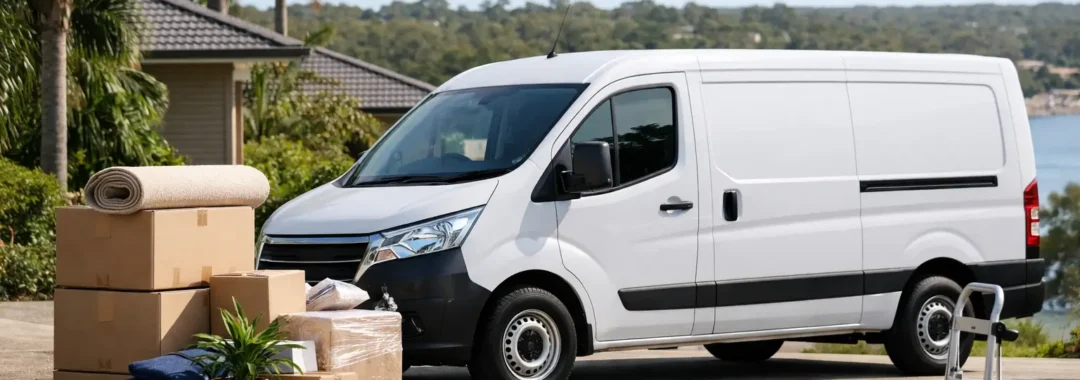
A move around Caringbah South can look simple until you start measuring couches, counting boxes and working out how many car trips it will take. Van hire Caringbah South locals can rely on should remove that hassle, giving you the space to move furniture, collect bulky purchases or transport work gear in one practical vehicle.
The key is choosing a van that suits the job, rather than paying for more room than you need or discovering too late that your load will not fit. A clear rental process, sensible pricing and flexible collection options can make a busy day much easier to manage.
When van hire in Caringbah South makes sense
A rental van is often the cheaper and less stressful alternative to asking friends for trailers or making repeated trips in a hatchback. It suits local moves between Caringbah South, Burraneer, Lilli Pilli, Dolans Bay and nearby parts of the Sutherland Shire, especially when parking and timing matter.
For a studio, bedroom move or a few larger household items, a van can handle boxes, small appliances, chairs and flat-pack furniture in one or two loads. It is also useful when you have bought a lounge, dining table or whitegoods and need a way to get them home without waiting days for delivery.
Tradies, sole operators and event organisers can also benefit from short-term van hire. Whether you are carrying tools, display equipment, stock or supplies, enclosed cargo space helps protect your load from weather and keeps the job organised. If the load is long, heavy or awkwardly shaped, a ute may be the better choice. It depends on whether you need weather protection and secure enclosed storage, or easier access from the sides and rear.
Choose the right van before you book
The best value does not always mean selecting the biggest vehicle available. A larger van can be useful for a bigger move, but it can also be harder to park and may be unnecessary for a small collection job. Start by listing your bulkiest items, then estimate how many standard moving boxes you expect to carry around them.
Measure furniture rather than guessing. Check the height, width and depth of a fridge, washing machine, sofa or mattress, and remember that the rear opening and cargo area both need to accommodate it. If you are moving a tall fridge, keep it upright where possible and secure it so it cannot shift during the trip.
It also pays to consider access at both ends. A van that fits your load still needs to fit in the driveway, loading zone or street where you are collecting and unloading. In tighter residential streets, plan where you will stop without blocking driveways, footpaths or traffic.
Think about payload, not just cargo space
Cargo dimensions matter, but weight matters too. Boxes of books, tiles, tools and office equipment can become heavy quickly. Do not overload the vehicle or stack items above a safe line of sight. Spread weight low and evenly across the cargo area, with heavier items positioned securely towards the front of the load space where appropriate.
Use tie-down points and suitable restraints for furniture, appliances and equipment. Loose items can be damaged by a single hard brake or corner, and they can affect how the van handles. A few moving blankets, straps and cardboard corner protectors are a small cost compared with replacing damaged belongings.
Plan the hire around the actual job
A cheap daily rate is useful, but the whole plan determines whether your van hire stays affordable. Work backwards from the time you need to return the vehicle. Allow time for loading, traffic, unloading, refuelling and a final check that nothing has been left behind.
If you are moving on a weekend, book early. Saturdays are popular for home moves, furniture collections and renovation work. A weekday hire may suit if your schedule allows it, particularly when you want more time to organise lifts, access arrangements or help from family.
Before collection, make sure you understand what is included in the booking. Ask about the bond, excess options, kilometre allowance, fuel policy and any conditions for additional drivers. Transparent answers matter because the cheapest advertised price is only a good deal when you know the likely total before you set off.
Low Cost Car Rental focuses on practical vehicle hire with a low-price approach, low bond positioning and helpful local support. If you need an after-hours pick-up or drop-off, ask about the available arrangements when booking rather than assuming every vehicle and date will have the same options.
Do a quick pre-drive check
When you collect the van, take a few minutes to inspect it properly. Photograph existing marks, check the fuel level and make sure any noted damage is recorded before departure. Adjust the mirrors, familiarise yourself with the controls and confirm how to open and lock the cargo area.
Vans drive differently from passenger cars. They are longer, taller and have bigger blind spots. Take corners more slowly, leave extra braking distance and be especially careful in car parks, under awnings and when reversing. Check height restrictions before entering underground parking, drive-throughs or covered loading areas.
Keep your move organised and your costs down
The quickest moves are usually the ones prepared before the van arrives. Pack boxes fully, label them by room and keep a separate bag for essentials such as keys, chargers, medication, documents and cleaning supplies. Dismantle beds and larger furniture beforehand, keeping screws and fittings in labelled bags taped to the relevant item.
Load in a sensible order. Heavy appliances and solid furniture go in first, then boxes and lighter items can fill gaps. Keep what you need first at the destination close to the rear doors, rather than burying it behind everything else. If you are collecting goods from multiple locations, map the route so you are not repeatedly unloading and reloading.
Fuel is another simple area where planning saves money. Know the required fuel type, refill according to the hire terms and keep the receipt if requested. Returning on time, clean of excess rubbish and with the agreed fuel level avoids unnecessary delays and helps keep the final cost straightforward.
Questions renters often ask
Can I hire a van for a few hours?
Hire periods and availability can vary, so it is worth asking about the option that best suits your job. For a short local collection, focus on the total hire cost and the collection and return times, not just the hours you expect to be driving.
What licence do I need to drive a van?
Many standard rental vans can be driven on a regular car licence, provided you meet the rental provider’s licence and age requirements. Always confirm the specific vehicle, licence acceptance rules and requirements for additional drivers before booking.
Is a van better than a ute for moving?
A van is generally better for boxed belongings, furniture and tools that need protection from rain or prying eyes. A ute can be more practical for green waste, building materials or oversized items that are difficult to load through rear doors. Choose based on the load, not habit.
A well-planned van hire gives you control over the day. Measure first, book the vehicle that fits the task and allow enough time to load safely. That leaves you free to focus on settling into the new place, finishing the job or getting that long-awaited purchase through the front door.

