


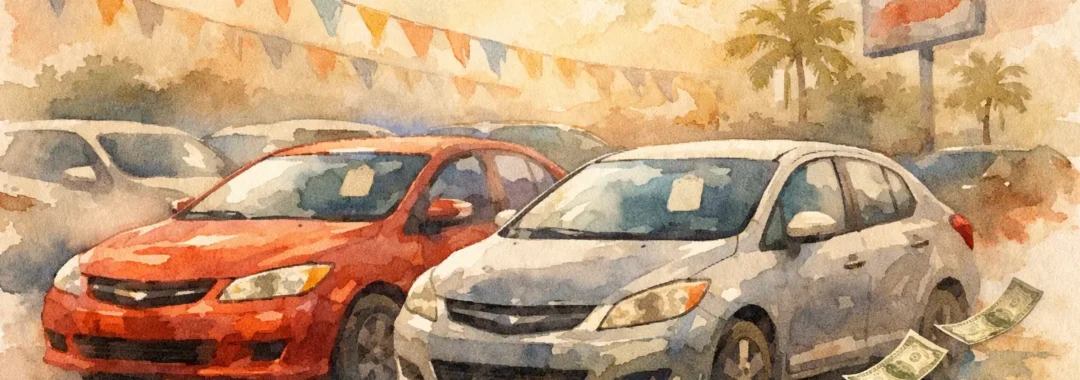
You spot a late-model car for thousands less than similar listings, then notice the fine print – ex-rental. That usually leads to the same question: why are used rental cars cheap, and is there a catch? The short answer is that rental companies buy differently, maintain differently and sell differently. Lower price does not always mean a bad car, but it does mean you should understand what you are paying for.
Why are used rental cars cheap in the first place?
Most ex-rental cars are cheaper because the seller is motivated by turnover, not maximum resale value. Rental fleets make money while the car is on the road earning booking revenue. Once the vehicle reaches a certain age, kilometre range or replacement point, the business usually wants to move it on quickly and bring in newer stock.
That creates a different pricing strategy from a private seller. A private owner might list high, wait for the right buyer and negotiate slowly. A fleet operator often prices to sell because holding older stock ties up cash, takes up space and increases maintenance risk. Fast sale matters more than squeezing every last dollar out of the vehicle.
There is also a scale factor. Rental companies often buy vehicles in volume and may receive fleet discounts when purchasing new. If the initial buy price is lower, they can still sell at a lower used price and come out ahead. That does not mean the car is poor quality. It means the numbers behind the scenes are different.
Depreciation hits rental cars harder
A used car’s value is shaped by more than age and kilometres. Its history matters. Ex-rental status can reduce buyer demand, and lower demand usually means a lower price.
Some buyers avoid rental vehicles on principle. They worry the car has had dozens of drivers, rough treatment, hard braking, poor parking habits or cold starts from people who had no long-term attachment to it. Whether those fears are fully justified depends on the individual car, but the market reacts to perception as much as reality. If more buyers hesitate, the seller has to sharpen the price.
This is one of the biggest answers to why are used rental cars cheap. The market builds in a discount because of the badge attached to the vehicle’s history. Even when the car presents well, the ex-rental label can still drag value down.
High kilometres can make the sticker look tempting
Rental cars often cover a lot of ground in a short time. Airport runs, regional trips, business travel and holiday driving all add up quickly. A two-year-old ex-rental may have noticeably more kilometres than a privately owned car of the same age.
That matters because many buyers compare age first and kilometre count second. If a car is relatively new but has already done substantial kilometres, the price usually needs to come down to stay competitive.
That said, high kilometres are not automatically a deal-breaker. Highway driving can be easier on a vehicle than years of short suburban trips. A well-maintained car with higher kilometres may still be a better buy than a neglected low-kilometre one. The key is to look beyond the odometer and check service history, tyre wear, brakes, body condition and how the car actually drives.
Fleet maintenance can be a strength, not a weakness
People sometimes assume a cheap ex-rental has been neglected. In many cases, the opposite is true. Professional rental operators rely on cars being available, roadworthy and presentable. If vehicles sit off the road with preventable issues, that costs money.
So rental cars are often serviced on schedule, inspected regularly and repaired quickly when damage or mechanical problems appear. They may also be cleaned more often than the average privately owned vehicle. This does not guarantee perfection, but it does mean maintenance standards can be more consistent than buyers expect.
The trade-off is usage. A rental car may have had more drivers and less gentle treatment, but it may also have had more structured upkeep. That balance is why ex-rentals should be assessed case by case rather than dismissed outright.
Cosmetic wear can lower value fast
Used rental cars are often judged harshly on presentation. Small dents, wheel rash, interior marks, scuffs around the boot and stone chips on the front end are common. Even when these are minor, they can affect resale because buyers notice appearance straight away.
This is another reason the price can look lower than expected. The vehicle might be mechanically sound but still need a discount because it shows the sort of wear that comes from frequent use. For a budget-conscious buyer, that can be an opportunity. If you care more about reliable transport than showroom-perfect paintwork, cosmetic wear may not matter much.
The model mix affects pricing too
Rental fleets usually focus on practical, popular vehicles that are easy to maintain and broadly appealing. Think hatchbacks, sedans, SUVs, vans and utes that suit everyday needs rather than rare trim levels or heavily optioned versions.
That means there can be a lot of similar ex-rental stock in the market at the same time. When supply is high, prices stay competitive. If ten similar cars are listed, buyers can compare easily, and sellers have less room to hold firm on price.
In other words, part of the answer to why are used rental cars cheap is simple economics. There is often plenty of stock, and sellers know buyers have options.
Are used rental cars actually worth buying?
Sometimes yes, sometimes no. The price advantage is real, and for many buyers it makes good sense. If you need dependable transport and want a newer vehicle for less money, an ex-rental can offer strong value.
Where people go wrong is assuming all cheap ex-rentals are bargains or all ex-rentals are trouble. Neither is true. Some have been maintained well and priced fairly. Others are cheap because they have excessive wear, patchy repair history or signs of hard use that make the discount less attractive.
The smart approach is to judge the actual vehicle in front of you. A lower asking price is only useful if the condition, history and likely running costs stack up.
What to check before you buy an ex-rental
Start with the basics: service records, registration details, accident history if available, tyre condition, brake feel, interior wear and panel gaps. Then look closer. Check whether the paint matches evenly across panels, whether the steering tracks straight, whether the transmission shifts smoothly and whether there are any warning lights on the dash.
A proper pre-purchase inspection is worth the money, especially if you are not mechanically minded. It gives you a clearer picture of whether the lower price reflects normal ex-rental depreciation or hidden issues.
You should also think about your own use. If you need a family SUV for weekend trips, a few car park scuffs may be irrelevant. If you want something immaculate for long-term pride of ownership, an ex-rental may not suit you even if the deal looks sharp on paper.
Why buyers still choose them
For practical buyers, ex-rentals can hit the sweet spot between age, price and usability. They are often newer than similarly priced private cars and may come with decent safety features, modern infotainment and better fuel efficiency than older alternatives.
That matters when cost of ownership is front of mind. Spending less upfront can free up room in the budget for insurance, registration, servicing or unexpected repairs. In a market where used car prices can still feel inflated, a well-chosen ex-rental can be one of the more sensible ways to keep costs down.
This is especially true for people who care more about function than image. If the goal is getting to work, sorting school runs, moving gear or handling airport pickups without overpaying, the ex-rental discount can work in your favour.
The catch is not always mechanical
When people ask why are used rental cars cheap, they often expect a hidden mechanical problem. Sometimes the bigger issue is simply resale stigma. If you buy one now, you may face the same buyer hesitation when it is your turn to sell.
That does not make it a bad purchase. It just means you should go in with clear eyes. If you plan to keep the car for years, the lower resale later may matter less because you already saved money upfront. If you expect to flip it quickly, the discount may not be as helpful as it first appears.
A cheap ex-rental makes the most sense when the numbers work across the full ownership period, not just at the point of purchase.
For plenty of Australians, that lower price is not a warning sign at all. It is the result of fleet buying, faster turnover, market perception and visible wear that may have little impact on day-to-day use. If the car has been maintained properly and inspected carefully, cheap can simply mean honest pricing. And when money matters, honest pricing is worth paying attention to.

