
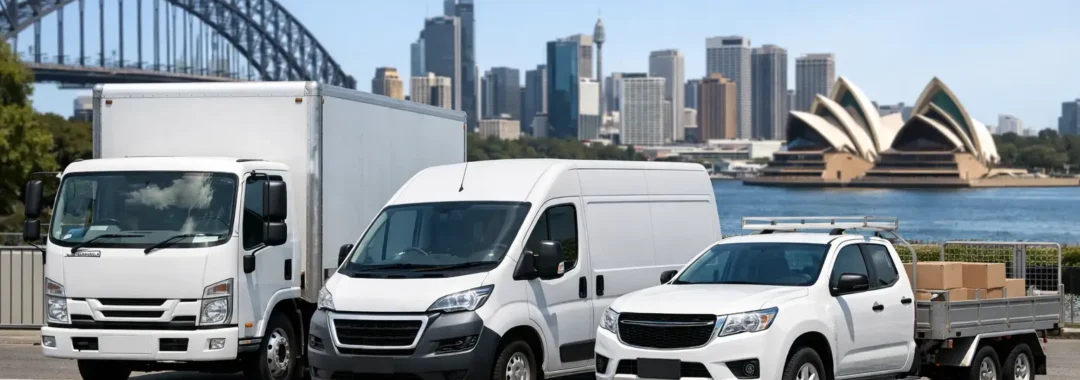
A move can go off the rails before the first box is loaded. You book a vehicle that looks cheap, then find out the bond is high, the kilometre limit is tight, or the cargo space is too small for what you actually need. If you are weighing up the best moving vehicle hire options, the right choice usually comes down to three things – volume, access, and how much hassle you want on the day.
For most people, the mistake is not choosing a bad vehicle. It is choosing the wrong size or style for the job. A van might be perfect for an inner-city unit move, but a ute can be better for bulky outdoor gear, and a larger truck may save you doing two or three trips across Sydney traffic. The cheapest option on paper is not always the cheapest once time, petrol, tolls, and stress are added in.
What counts as the best moving vehicle hire options?
The best moving vehicle hire options are the ones that match your move without making you pay for space or features you do not need. That sounds obvious, but it matters. Hiring too small means multiple runs, more fuel, and a longer day. Hiring too large can mean higher rental costs, trickier parking, and a vehicle that feels harder to drive if you are not used to it.
There is also the question of access. A house move from a suburban driveway is one thing. A move from an apartment block in Redfern, Waterloo or Zetland is another. If you have basement parking, loading docks, narrow laneways or time-restricted access, vehicle height and turning space matter just as much as load capacity.
Price matters too, especially if you are moving on a budget. But a low advertised daily rate does not help much if the bond is steep or the pick-up and drop-off process is inconvenient. A lot of renters are really looking for a mix of affordability, simple terms, and enough flexibility to get the move done without drama.
Moving van hire is usually the safest all-round pick
For small to medium home moves, a moving van is often the best place to start. Vans are enclosed, which protects furniture, boxes and electronics from weather and road grime. They are also easier to load neatly than a standard car, and in many cases easier to drive than people expect.
A van suits one-bedroom moves, student relocations, marketplace furniture pick-ups, and quick office shifts. If your items include mattresses, flat-pack furniture, storage tubs, desks or stacked moving boxes, a van gives you usable space without exposing everything to wind or rain.
The other advantage is practicality in built-up areas. In places closer to Sydney CBD or airport-adjacent suburbs such as Alexandria and Mascot, a van is usually easier to park than a larger truck. That can save a lot of time if you are loading from the kerb or trying to work around traffic.
The trade-off is capacity. If you are moving a full family home, a van may not be enough. It is a good option when you can pack tightly and keep the job contained to one or two rooms. Once whitegoods, larger lounges or multiple beds are involved, you may outgrow it quickly.
A ute makes sense for bulky, awkward loads
Not every move needs a fully enclosed vehicle. A ute can be one of the best moving vehicle hire options when the load is bulky rather than delicate. Think garden equipment, shelving, tools, renovation supplies, outdoor furniture, or a single large item that does not sit neatly inside a van.
A ute is also handy if you are doing a partial move rather than a full relocation. Maybe you are clearing out a garage, shifting equipment between worksites, or picking up Facebook Marketplace buys that are too big for a hatchback. The tray makes loading simpler, especially for items that would be awkward to manoeuvre through van doors.
That said, a ute is less ideal for standard household moves. Weather protection is the obvious issue, but so is load security. You need to think more carefully about tie-downs and covering your items. If you are transporting soft furnishings, boxes of books, or electronics, the convenience of a ute can disappear fast.
Larger trucks are better when one trip matters
If your priority is getting the whole job done in one run, a larger moving truck can be the smarter option. This is particularly true for bigger homes, longer distances, or moves where you have help lined up for only a short window. One well-planned trip can be cheaper than several smaller ones once fuel and time are counted properly.
The catch is that bigger is not always easier. A truck can be harder to park, less forgiving in tight streets, and more stressful for drivers who are not confident in larger vehicles. If your pick-up or delivery point is in a dense area with limited space, extra capacity may not outweigh the inconvenience.
This is where honest planning matters. If you are moving from a house in the Shire with decent access, a truck could be ideal. If you are trying to load in a narrow street near Chippendale or Dulwich Hills, a van may still be the more efficient option even if it means an extra trip.
SUVs and cars can work for very small moves
People often overlook this, but not every move needs a commercial vehicle. If you are only shifting luggage, a few boxes, or essentials into temporary accommodation, a larger SUV or even a roomy sedan may be enough. This can suit travellers, students, or anyone between leases who just needs to move personal belongings rather than furniture.
The benefit is lower cost and easier driving. The downside is obvious – once you start folding seats down and trying to fit lamps, monitors or stacked tubs, space disappears quickly. For anything beyond a minimalist move, a van is normally a better bet.
Cost is more than the daily rate
When comparing the best moving vehicle hire options, people usually start with the price per day. Fair enough. But the daily rate is only one part of the picture.
Bond size can make a cheap booking feel expensive if you need to tie up more money than expected. Kilometre limits matter if you are travelling across multiple suburbs or making repeat runs. Fuel usage matters more with larger vehicles, especially in stop-start traffic. So do collection and return arrangements. After-hours pick-up or drop-off can be genuinely useful if you are trying to move outside work hours or avoid weekend congestion.
This is where smaller, customer-focused operators often have an advantage over bigger airport-style chains. Clearer terms, lower bond positioning and more personalised support can make the process easier, especially if you have not hired a moving vehicle before.
How to choose the right vehicle for your move
Start with the largest item you need to carry, not the number of small boxes. A mattress, fridge, washing machine or couch will often determine the vehicle you need more than anything else. Then think about whether those items need to stay dry, whether they are awkward to lift, and how far you are travelling.
Next, consider access at both ends. Is there a driveway, loading zone or easy street parking? Are there low-clearance car parks involved? Will you be navigating tight suburban streets or busy inner-city roads? The best hire option is not just the one that fits the load. It is the one you can actually use without creating new problems.
Then be realistic about your confidence as a driver. There is no prize for hiring the biggest vehicle if it leaves you tense all day. A slightly smaller van that you can handle comfortably may be the better choice.
If you are unsure, ask questions before booking. A good rental provider should be able to talk through your move in plain language and point you towards the most practical option, not simply the most expensive one. That kind of service makes a real difference when your moving day already has enough variables.
Best moving vehicle hire options for different jobs
For a studio or one-bedroom move, a van is usually the sweet spot. For furniture pick-ups, tradie gear, or outdoor items, a ute can be more practical. For a larger household move where you want to avoid multiple trips, a truck may save time and money. For luggage-only moves or temporary stays, an SUV or sedan might do the job.
That is why there is no single winner for everyone. The right answer depends on what you are moving, where you are moving it, and how much flexibility you need around timing, collection and return.
If you are booking in Sydney, it helps to choose a provider that keeps things simple. Low Cost Car Rental is one example of the kind of operator many renters prefer – budget-focused, flexible, and easier to deal with when you want straight answers on price, bond and vehicle suitability.
The best move is usually the one you have planned properly before the keys hit your hand. Get the size right, check the practical details, and give yourself a bit more space than you think you need. Moving day rarely feels effortless, but the right vehicle can make it a lot less painful.
