
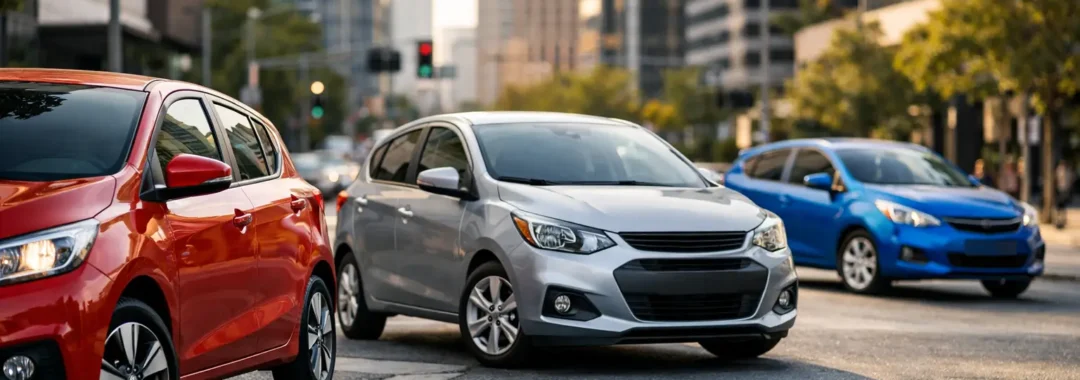
Sydney traffic has a way of exposing a bad car choice fast. If you are squeezing into tight parking spots in Surry Hills, doing airport runs through Mascot, or handling short suburban trips around Caringbah, the best budget cars for city driving are usually not the biggest, fastest or flashiest. They are the ones that are cheap to run, easy to park and simple to live with.
That sounds obvious, but plenty of drivers still end up in cars that cost more in fuel, feel clumsy in narrow streets or make every shopping-centre car park harder than it needs to be. If your priority is value, it helps to know what actually matters in a city car and what is just marketing.
What makes the best budget cars for city driving?
A good city car starts with size, but not just because of parking. A smaller hatchback or compact sedan is easier to place in traffic, easier to reverse and less stressful in older suburbs where streets were never designed for modern SUVs. In busy urban areas, that matters every day.
Fuel economy matters too, especially if you are doing frequent short trips. City driving burns more fuel than open-road cruising because of stop-start traffic, lights and idling. A car with solid urban fuel efficiency can save you more over a month than a cheaper daily hire rate on a thirstier vehicle.
Visibility is another big one. Tall windows, good mirror placement and a simple driving position make a real difference when you are negotiating lanes, cyclists, delivery vans and pedestrians. You do not need a luxury car full of cameras to feel comfortable in the city, but you do want a car that feels easy to judge.
Then there is practicality. Budget does not mean stripped-back to the point of being annoying. You still want enough boot space for groceries, luggage or work gear, plus enough cabin room that passengers do not feel folded into the back seat. The right balance depends on whether you are travelling solo, with a partner, or with kids.
The best budget cars for city driving are usually compact
For most renters and everyday drivers, compact hatchbacks sit in the sweet spot. They are usually the cheapest category to rent or buy, they tend to have lower fuel use, and they are far less painful to park than anything wide or tall. A five-seat hatchback often gives you more usable space than people expect, especially if the rear seats fold down.
Compact sedans can also be a smart option if you want a bit more comfort on longer drives without stepping up too far in cost. They usually offer a larger boot and a smoother ride, which helps if your city driving includes airport pickups or day trips beyond the CBD. The trade-off is that they can be slightly harder to park than a hatch.
Small SUVs are popular, but they are not always the best value choice for city use. You may get a higher seating position and easier entry, but you usually pay for it in fuel use and parking convenience. If your driving is mostly urban and you do not need extra ground clearance or family-sized room, a hatchback often makes more financial sense.
10 types of budget-friendly city cars worth considering
The exact badge matters less than the shape, size and running costs, but some categories consistently work well.
1. Light hatchbacks
Light hatchbacks are hard to beat for inner-city use. They are nimble, simple to park and usually very efficient on fuel. If you are mostly doing solo trips, commuting or quick errands, this category gives you the lowest-cost path without much compromise.
2. Compact hatchbacks
This is the sweet spot for many people. You get a bit more room for passengers and bags than a light hatch, but still keep the easy parking and low running costs that make city life simpler.
3. Small sedans
A small sedan suits drivers who want a more traditional feel on the road. It is a good fit if you mix city driving with occasional motorway trips and want a little more boot space for luggage.
4. Hybrid compact cars
If you spend a lot of time in traffic, a hybrid can be a very sensible budget choice over time. The upfront cost can be higher, but stop-start urban driving is where hybrids often shine.
5. Older but reliable Japanese models
If affordability is the main goal, proven Japanese hatchbacks and sedans often deliver strong value. They are popular for a reason – parts are common, fuel use is generally sensible, and they have a reputation for low-fuss ownership.
6. Budget Korean hatchbacks
Korean compact cars have become a strong option for value-focused drivers. They tend to offer practical interiors, decent tech and competitive running costs without feeling bare-bones.
7. Compact automatic cars
In Sydney traffic, automatic makes life easier for many drivers. Manuals can still be cheaper, but the difference in convenience during heavy stop-start driving is significant.
8. Five-door cars with folding rear seats
A five-door layout is more useful than it sounds. It gives you flexibility for shopping, airport bags or a small furniture run without needing to move into a larger category.
9. Cars with good parking sensors or reversing cameras
Even in budget segments, simple parking aids can be worth it. They do not replace careful driving, but they do reduce stress in tight city spots.
10. Short-term rental hatchbacks
If you only need a car for a few days or a week, hiring a small hatchback is often smarter than paying for a larger vehicle you do not need. That is especially true for visitors flying into Sydney who want to keep costs down and avoid oversized airport rentals.
What to check before choosing a city car
The cheapest option on paper is not always the best-value option in practice. If a car is cheap to hire but drinks fuel, feels rough in traffic or barely fits your bags, the savings can disappear quickly.
Start with your real use case. If you are mostly moving around the CBD, Inner West or airport precinct, prioritise compact size and easy parking. If you are staying in Sydney but planning a few longer drives as well, a compact sedan or larger hatchback may be worth the small jump in price.
Think about passengers too. A solo driver can live happily with a very small hatchback, but a couple with luggage may want something one size up. Families should be realistic. A budget city car can work for school runs and short errands, but once you have prams, sports bags or three people across the back, compact can start to feel cramped.
Transmission is another practical call. In theory, a manual might save money. In reality, many drivers would rather pay a little extra for an automatic when dealing with peak-hour traffic and constant stop-start conditions.
Why renters should think differently from buyers
If you are renting, your decision can be simpler than someone buying a car long term. You are not worried about resale value, servicing history over several years or what the car will cost in three years’ time. Your focus is the trip in front of you.
That means it is usually smarter to rent for fit, not aspiration. A compact car that handles Sydney streets well, keeps fuel costs down and is easy to collect and return will usually give you a better experience than stretching your budget for something bigger. For many travellers and locals, that is exactly why smaller rental categories remain popular.
A business like Low Cost Car Rental appeals for this reason. When the goal is straightforward transport without the inflated pricing, high bond headaches or awkward airport counter process that bigger brands can come with, a practical hatchback or sedan makes a lot of sense.
Common mistakes people make with budget city cars
One mistake is choosing a car that is too big because it feels safer or more comfortable. Bigger can be useful, but in city driving it often means more fuel, more stress parking and more hassle in tight lanes.
Another is overlooking boot space. Some very small cars are brilliant around town but frustrating once you add luggage, shopping or baby gear. Budget is still about getting the job done properly.
The third is focusing only on price per day. Fuel use, ease of parking and how comfortable you feel behind the wheel all affect value. A car that saves you ten dollars upfront but makes every trip more annoying is not really the cheaper choice.
So which car type is right for you?
If you want the simplest answer, start with a compact hatchback. For most urban drivers, it gives the best mix of affordability, low fuel use, decent interior space and easy manoeuvrability. If you need extra luggage room or expect a few longer drives, look at a compact sedan. If you genuinely need more passenger space, then move up carefully rather than automatically jumping to an SUV.
The best city car is the one that suits the way you actually travel, not the one that looks best in a photo or sounds impressive at the counter. Pick something small enough to make parking easy, efficient enough to keep costs down and practical enough that you are not compromising every time you head out. In a city like Sydney, that kind of simple choice usually ends up being the smart one.
