
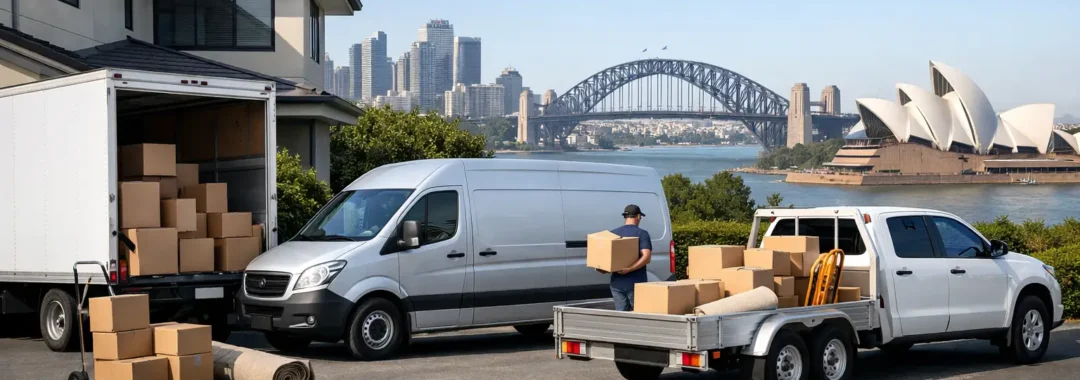
A move can turn expensive fast when you choose a vehicle that is too small, too large or simply wrong for the job. The best vehicles for house moving are not always the biggest ones on the road. They are the ones that match your furniture, your access, your driving confidence and the number of trips you can realistically make in a day.
For a studio move from Redfern to Alexandria, a ute may be all you need. For a family home moving across Sydney, a purpose-built moving van will usually save time, fuel and plenty of lifting. Getting the vehicle choice right before you collect the keys makes the whole day easier to manage.
Start with what you actually need to move
Before booking anything, take a quick inventory of the bulky items. Beds, mattresses, fridges, washing machines, sofas, dining tables and boxed books take up more room than most people expect. Also think about awkward pieces such as flat-pack wardrobes, office desks, bikes and outdoor furniture.
A good rule is to plan around volume, not just the number of rooms. A lightly furnished one-bedroom unit may fit into a ute and a couple of car loads. A one-bedroom place with a large fridge, couch, queen bed and dozens of boxes is usually more practical in a moving van.
Access matters just as much as load size. Check whether your building has a loading dock, low-clearance car park, narrow driveway or steep street. A larger van may carry more, but it is not helpful if it cannot safely get close to your front door. In busy Sydney suburbs, also consider where you can park while loading and unloading.
Best vehicles for house moving by move size
Utes for small, flexible loads
A ute is a smart, affordable option for small moves and single large items. It is particularly useful when you are moving a mattress, washing machine, dining setting, outdoor furniture or a few larger boxes between nearby suburbs. The open tray makes it easier to load bulky items that may not fit through the rear door of a car.
The trade-off is weather protection and load security. You will need proper tie-downs, moving blankets and a tarp if rain is possible. Utes also require sensible packing. Heavy items should sit low and forward in the tray, secured so they cannot shift during braking or cornering.
Choose a ute when you have a short local trip, a manageable load and someone available to help lift. It can be a better value choice than a van if one or two trips will genuinely finish the job. If you are moving an entire unit, however, multiple ute trips can quickly cost more in time and fuel than hiring a van for the day.
Moving vans for unit and apartment relocations
For most one- and two-bedroom moves, a moving van is the practical choice. The enclosed cargo area protects your belongings from rain, wind and road grime, while the square shape is easier to stack than a ute tray or SUV boot. You can load boxes tightly, stand mattresses along the side and keep furniture covered with blankets.
A van is especially useful for moves involving apartment buildings, storage units or longer distances. Fewer trips mean less time coordinating lifts, parking and helpers. It also reduces the temptation to overpack a smaller vehicle, which can affect visibility and safe handling.
When comparing vans, focus on cargo space and rear-door access rather than just the vehicle’s overall size. Think about the longest item you need to carry and whether it can fit flat, upright or on an angle. A larger van often makes loading calmer because you are not trying to solve a furniture puzzle on the footpath.
Keep in mind that vans drive differently to a hatchback. Allow more room to turn, brake early and watch the vehicle height when entering car parks, underpasses and drive-throughs. If you have not driven a van before, a short familiarisation check before leaving the hire location is worthwhile.
Seven-seat SUVs for light moves and people transport
A seven-seat SUV can work well when the move is light, the seats fold down and you also need to carry family members. It suits bags, small boxes, linen, lamps, flat-packed items and personal belongings that you would prefer to keep enclosed and close at hand.
It is not the right answer for large whitegoods, full-size lounges or multiple pieces of heavy furniture. Even with rear seats folded, an SUV has a lower cargo height and a more limited opening than a van. Trying to squeeze oversized items inside can damage the vehicle interior or leave you with an unsafe load.
This option is best for a partial move, a student relocation or the final trip after the larger items have already gone in a van. It can also be useful for getting helpers between properties while keeping valuables and essentials secure.
Hatchbacks and sedans for boxes and essentials
Hatchbacks and sedans are often overlooked, but they have a role in a house move. They are ideal for documents, electronics, clothes, cleaning supplies, small boxes and the items you need on your first night. A hatchback is generally more flexible than a sedan because the rear opening allows for taller and bulkier items.
Do not rely on a standard car as your only moving vehicle unless you are moving very little. Repeated trips with an overloaded boot and back seat are tiring, inefficient and can create visibility issues. Use it as a support vehicle alongside a van or ute, especially if several people are helping.
How to choose the right hire vehicle
The best choice comes down to the load, the route and the move itself. Ask yourself whether you can complete the move in one trip, whether your largest item will fit safely and whether you are comfortable driving the vehicle through the streets and parking conditions you will face.
A van is usually the value winner when it eliminates several return trips. A ute can be the cheaper option for a few bulky belongings. An SUV or hatchback makes sense for lighter loads, personal items or a move where people transport is also important.
It is worth being realistic about your help, too. A larger vehicle only saves effort if you have enough people to load it safely. If you are moving solo, consider breaking the work into smaller loads or arranging help for heavy furniture. Never try to lift a fridge, washing machine or large sofa alone.
Pack the vehicle to protect your belongings
Good packing can make a modest vehicle work far better. Start with the heaviest items on the floor and place them against the front wall of the cargo area where possible. Keep weight balanced from side to side, then fit boxes and lighter furniture around the heavy pieces to stop movement.
Wrap timber, glass and painted surfaces with moving blankets or thick towels. Remove legs from tables where practical and keep screws in a labelled bag taped to the item. Mattresses are easier to handle in protective bags, particularly if they will travel in a ute or sit against other furniture in a van.
Avoid stacking boxes above a safe height just because there is space available. Your rear vision and ability to close doors properly matter. Use approved tie-down points and straps for items that could slide, tip or roll. If something feels unstable while parked, it will be worse once you are on the road.
Check the practical details before moving day
Vehicle size is only part of the booking decision. Confirm the collection time, return process, fuel requirements, bond amount and whether after-hours pick-up or drop-off is available. These details can make a major difference when settlement times, lift bookings or key handovers change at short notice.
If you are moving near Sydney Airport, the CBD or crowded inner suburbs, plan your route and parking before collection. A few minutes spent checking loading zones, clearances and building rules can prevent a stressful delay with a full vehicle waiting outside.
At Low Cost Car Rental, the practical aim is simple: give Sydney movers access to affordable utes and moving vans without making the hire process harder than the move itself. Choose the vehicle for the job, pack it carefully and leave enough time for the unexpected – because moving day nearly always has one surprise waiting for you.
