
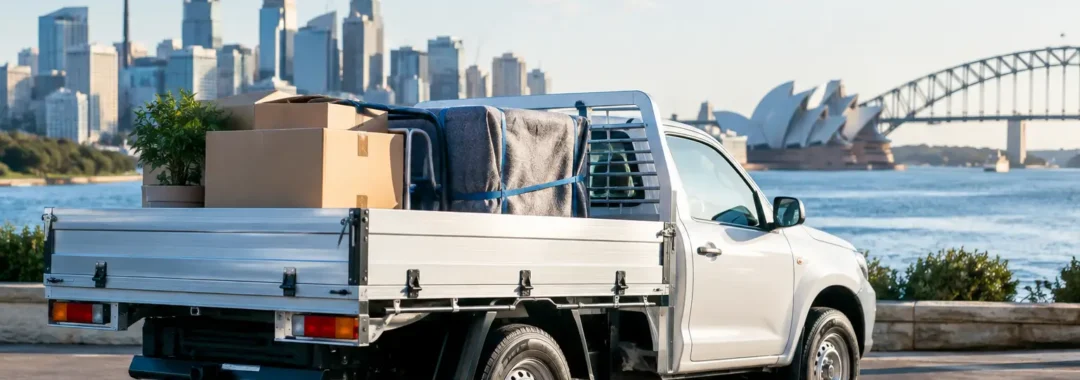
A ute can save you from trying to squeeze flat-pack furniture through the back doors of a hatchback, making three trips to the tip, or paying for a removalist when the job is small enough to manage yourself. The right ute hire gives you practical carrying space for a day, a weekend or as long as the work requires – without the cost of owning, registering and maintaining another vehicle.
For Sydney renters, the best choice is rarely just the cheapest daily rate. You also need a ute that suits the load, clear rental conditions, sensible collection options and support if plans change. Here is how to hire a ute with fewer surprises and get the job done properly.
When ute hire makes sense
Utes are built for the jobs that are awkward rather than enormous. They are a handy option for picking up building supplies, shifting garden waste, collecting marketplace purchases, transporting tools between sites or moving a small load of furniture. A tray is easier to load than a car boot, particularly when you are carrying long, dirty or bulky items.
Hiring is often the sensible call when you only need that capability occasionally. Buying a ute means taking on fuel, servicing, tyres, insurance, registration and parking, even when it spends most of the week unused. With a rental, you use the vehicle when you need it and return it when the job is done.
A ute may not be the best fit for every move. If you have lots of boxes, whitegoods, tall furniture or need to keep belongings dry in wet weather, a moving van can be more practical. Vans provide enclosed space and usually let you stack a load more securely. For a few large items, green waste or work gear, a ute can be the simpler and lower-cost option.
Choose a ute for the load, not just the price
Before booking, write down what you are actually moving. Include the biggest item, the likely weight, whether the load needs weather protection and how far you will be driving. This takes two minutes and can prevent an unsuitable booking.
Start with the tray size and payload. Tray dimensions tell you whether long timber, landscaping supplies or furniture will physically fit. Payload tells you how much weight the vehicle can safely carry once passengers and gear are accounted for. These are different things. A load may fit neatly on the tray but still be too heavy.
Also think about access at both ends. A ute is easy to load at a ground-level driveway or worksite, but a tight apartment loading zone, steep underground car park or busy inner-city street can change the equation. Check vehicle height where clearance is a concern, and allow time for parking and loading in areas where spaces are limited.
For many household jobs, a standard tray ute is enough. For trade use, ask about towing requirements, tray configuration and any equipment you need to carry. Do not assume a tow bar means any trailer or load is permitted. Towing limits, licence conditions and rental rules all apply.
Plan the booking around the whole job
The lowest advertised day rate is only useful if the hire period matches your plan. Estimate the job from collection to return, not just the time spent loading. Sydney traffic, queueing at a hardware store, lift delays and a second trip can quickly turn a short task into an all-day one.
When comparing ute hire options, check the details that affect the final cost. These commonly include the included kilometres, extra kilometre charges, fuel policy, bond, insurance excess, cleaning expectations and late-return rules. A cheap rate with unsuitable kilometre limits or a high bond may not be the best value for your situation.
It is also worth asking about collection and return times before you pay. After-hours arrangements can be useful if you are working during the day or coordinating a weekend move. If you are arriving by plane, an airport-adjacent collection point may be more convenient than paying airport-agency pricing. Low Cost Car Rental focuses on straightforward, flexible rental options for customers who need practical vehicles without the big-chain runaround.
Bring the documents required for your booking and make sure every intended driver is approved before setting off. Driver age requirements, licence acceptance and additional-driver conditions vary between rental providers. International visitors should confirm that their licence is accepted and whether an English translation or international driving permit is needed.
Load a hire ute safely
An open tray makes loading convenient, but it also means the load is exposed to wind, rain and movement. Take the time to secure everything properly. Loose items can shift under braking, distract other drivers or become dangerous on the road.
Place heavier items low and as close to the centre of the tray as practical. Spread weight evenly from side to side and avoid stacking heavy objects on lighter ones. Use suitable tie-downs rated for the job, secure the load to appropriate anchor points and check the restraints again after the first few minutes of driving.
If an item extends beyond the tray, it must be marked and carried in line with NSW road rules. Do not guess. Check the current requirements before travelling, especially for long timber, ladders or pipes. The same goes for covering a load: a tarp can help protect furniture or green waste, but it needs to be fastened so it cannot flap loose or block lights and number plates.
Keep the cabin clear as well. Tools, straps and small items should not be rolling around near the pedals or seats. If you are carrying paint, chemicals or fuel containers, check that they are permitted under the rental agreement and transport them upright and secured.
Drive differently with a loaded tray
A loaded ute will not handle like your everyday car. It may take longer to stop, feel less responsive around corners and sit lower at the rear. Leave more room to the vehicle ahead, brake progressively and take roundabouts and turns at a sensible speed.
Take extra care in wet conditions. An empty or lightly loaded ute can have less weight over the rear wheels, while a poorly balanced load can make handling unpredictable. Avoid sharp steering, sudden braking and quick lane changes. If the weather turns bad and your items cannot get wet, reconsider whether a ute remains the right vehicle for the job.
Inspect the vehicle before you leave
A quick inspection protects both you and the rental provider. Walk around the ute before departure and look for existing marks, dents, windscreen chips, tray damage and tyre issues. Make sure any pre-existing damage is recorded correctly. Take clear photos with your mobile if that is permitted under the rental process.
Inside, adjust the seat and mirrors, locate the indicators, headlights, wipers and fuel type, and check that you know how to open the fuel flap. If you are not used to driving a ute, take a moment to judge the rear tray length and turning circle before entering heavy traffic.
At return, remove all rubbish, straps and personal belongings from the cabin and tray. Refuel according to the agreed policy and allow enough time to return the vehicle as arranged. Leaving a ute clean and returning it on time helps avoid charges that are easy to prevent.
Get more value from your ute rental
The most economical ute hire is the one that lets you complete the work safely in one well-planned booking. Measure large items before collection, book for enough time, map the route around low-clearance areas and have help ready at the loading points. If you are buying supplies, confirm stock and collection times before you pick up the keys.
For a weekend project, collect your materials in a sensible order. Heavy items such as pavers or timber should not be buried beneath fragile purchases. If you are making multiple stops, secure the load again after each one rather than assuming the straps are still tight.
A ute is a practical tool, not a complicated commitment. Choose one that fits the job, understand the rental conditions and load it with care. Then you can spend less time wrestling with transport and more time getting the work finished.
