
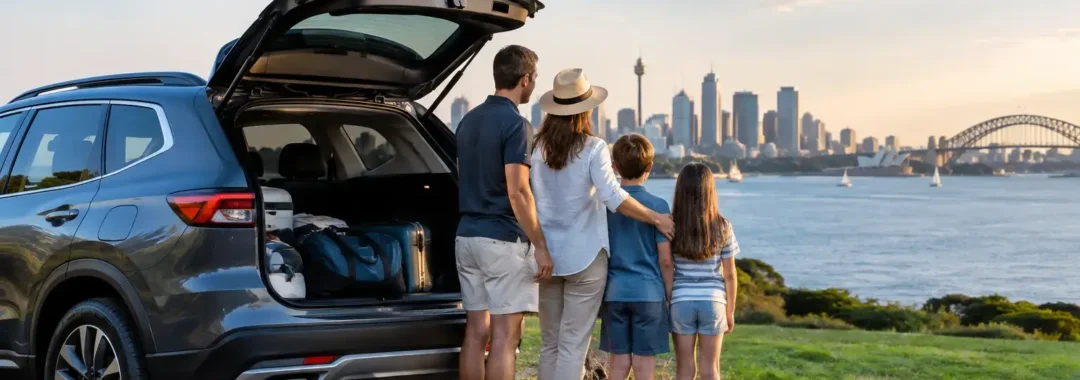
A cramped back seat, a boot that will not take the pram, or a vehicle that feels too large for the trip can make a cheap hire feel expensive fast. The best rental SUVs are not necessarily the biggest or flashiest option. They are the ones that suit your passengers, luggage, driving plans and budget without adding stress at collection time.
For Sydney drivers, that often means balancing city parking with motorway comfort, or choosing enough seats for a family trip without paying for more vehicle than you need. Here is how to make a practical choice before you book.
What Makes the Best Rental SUVs?
The right SUV depends on the job. A couple collecting luggage from Sydney Airport has very different needs from a family heading to the South Coast, a group travelling with golf bags, or locals needing extra room while their own car is off the road.
Start with the passenger count, then think honestly about luggage. Five seats do not always mean five adults can travel comfortably with five large suitcases. SUV boots vary significantly, especially when the rear row is in use. If you are travelling with a pram, portacot, eskies or bulky bags, allow more room than you think you will need.
You should also consider where you will drive. A compact or mid-size SUV is often easier around Alexandria, Mascot and the Sydney CBD, where parking spaces and tight streets can be part of the day. A larger 7-seat AWD SUV makes more sense for longer family trips, shared airport runs or road holidays where passengers need their own space.
Price matters too, but compare the whole hire rather than the daily rate alone. Check the bond, included kilometres, fuel policy, insurance excess options and any charges that may apply to additional drivers, young drivers or after-hours arrangements. Clear terms are often more valuable than a headline rate that changes once extras are added.
Choose an SUV Size for Your Actual Trip
Compact SUVs: best for couples and light packing
A compact SUV is a sensible middle ground when you want a higher driving position and more flexibility than a hatchback, without the fuel use and parking challenge of a large vehicle. It can suit couples, solo travellers, small families with light luggage and business visitors who want room for a few bags.
These vehicles are usually easier to handle in city traffic and more economical on day trips. They are a good fit for airport collection, meetings across Sydney, or a weekend away where you are not taking half the house with you.
The trade-off is rear-seat and boot space. If three adults will be sitting across the back or you have multiple full-size suitcases, move up a size rather than hoping everything will fit.
Mid-size SUVs: the practical all-rounder
For many renters, a mid-size SUV is the sweet spot. It gives families more boot space, better rear-seat comfort and a relaxed drive on motorways while still being manageable for suburban shopping centres and street parking.
This category works well for two adults and two or three children, particularly when you have a pram, sports gear or holiday bags. It can also suit visitors travelling between the airport, accommodation and family around Sydney without the need to rearrange luggage at every stop.
If your trip includes lots of kilometres, look for features that make the drive easier, such as reversing cameras, mobile connectivity and cruise control. Features can vary between vehicles, so confirm what is included with the specific SUV offered rather than assuming every model has the same equipment.
7-seat SUVs: best when people come first
A 7-seat SUV is the sensible choice when you genuinely need more than five seats. This may be a family holiday, a group airport transfer, visiting relatives, or a weekend away with friends. With a 7-seat AWD SUV, you can also have extra confidence for longer drives and changing road conditions.
There is one key detail to check: using the third row usually reduces available boot space. A 7-seat SUV can carry seven people, but seven people plus seven large suitcases may require careful packing or a different transport plan. For five travellers with lots of luggage, folding the third row down can create a far more useful load area.
Larger SUVs also use more fuel and can be less convenient in narrow car parks. They are worth it when the extra seating or space solves a real problem, not simply because bigger sounds better.
Match the Vehicle to the Journey
The best rental SUV for an airport transfer is usually one with enough boot space for your exact luggage count, not necessarily seven seats. Count suitcases, carry-on bags, prams and anything awkwardly shaped before booking. It is much easier to choose a larger vehicle early than to discover your bags do not fit at collection.
For a family holiday, comfort becomes more important. Children can become restless quickly on a long drive, so rear-seat room, air conditioning and space between bags and passengers can make a genuine difference. A mid-size or 7-seat SUV may cost more per day, but it can prevent the trip from starting with everyone squeezed in.
For a short local hire, do not automatically pay for a large SUV. If you are running errands, attending appointments or need temporary transport while your car is being repaired, a smaller SUV may deliver the flexibility you want at a lower overall cost.
For longer road trips, factor in fuel use. An SUV with more room may be the right call, but the savings from a smaller vehicle can add up over several days and several hundred kilometres. The best value is the vehicle that meets your needs with the least compromise, rather than the cheapest or largest option on the page.
Check These Details Before You Book
Vehicle categories can be clear, but individual models, features and availability may vary. Before locking in your SUV, make sure you understand these practical points:
- How many passengers and how much luggage the vehicle needs to carry.
- Whether your travel dates, collection time and return time suit the hire location’s operating arrangements.
- The bond amount, insurance excess and optional protection choices available.
- Any driver eligibility requirements, including licence conditions and rules for drivers under 25.
- Whether you need an additional driver, child seat, delivery option or after-hours pick-up and drop-off.
These checks are not paperwork for paperwork’s sake. They help avoid awkward surprises when you are standing at the counter with tired kids, flight bags and somewhere to be.
If you are an international visitor, make sure your licence meets the rental requirements before arrival. If you are travelling with another person who may need to share driving, add them correctly to the booking instead of assuming they are automatically covered.
Do Not Pay for Space You Will Not Use
It is easy to overbook when planning a trip. A large SUV looks appealing, especially when you picture everyone travelling in comfort. But if there are only two adults, two overnight bags and mostly city driving, a compact SUV can be easier and cheaper to run.
The opposite mistake is booking too small to save money. A lower daily rate does not help if you need a second vehicle, cannot fit the luggage, or spend the whole drive with bags piled around passengers. Be realistic about the trip, especially if you are collecting people and bags after a flight.
Low Cost Car Rental offers affordable options for drivers who need anything from practical everyday transport to 7-seat AWD SUV hire. A direct conversation can be useful when you are unsure about fit, seats or booking requirements, particularly for airport travel and family groups.
When an SUV Is Not the Best Choice
An SUV is versatile, but it is not always the right rental. A hatchback or sedan can be better for solo city travel, shorter local trips and drivers who want the simplest possible parking experience. If your priority is moving furniture, tools or bulky items, a van or ute will generally be more practical than trying to protect an SUV interior and force oversized loads through the boot opening.
For a group with a large amount of luggage, consider whether two smaller vehicles or a vehicle designed for passenger capacity would work better. There is no benefit in choosing an SUV purely because it is popular if it does not solve the actual transport problem.
A good rental choice should make the day easier from the first kilometre. Work out who is travelling, what is going in the boot and where you are going, then choose the SUV that gives you enough room, fair running costs and a booking arrangement you understand. That is the kind of value that still feels like value when the trip is over.
