Pick Up Location*
Date*
Time*
Drop Off Location*:
Date*
Time*
Youngest Driver*:

What to do after a crash

Rental cars are no different to the rest of the vehicles. The accidents happen.

First, make sure you have the most suitable insurance cover for your rental vehicle. However If you do not follow simple instructions in case of the crash, the insurance company may reject the claim and you will end paying the repairs out of your own pocket.

What to do in case of a crash

A step by step guide

Here is the procedure to follow in the case of a crash. Please note, this information is valid as of today 4 August 2017 and can be used for indicative purposes only. Please seek for a legal advice in case of disputes or further assistance.

Step 1

Stop! Don’t keep driving. If possible, use your indicator lights, hazard lights or headlights to warn other drivers and light up the scene if it is dark.

Help anyone who has been hurt. Call an ambulance if there are serious injuries.

Do not move anyone who’s been injured unless they are in immediate danger or need first aid. If someone has to be moved (if they are in danger), support broken limbs and be careful not to twist their back or neck.

For someone wearing a helmet, lift the visor but don’t remove it unless the person is vomiting or has stopped breathing. When removing a helmet, have one person support the head and neck, while another gently lifts the helmet off from the back.

Step 2

Call the police if anyone is killed or hurt, or if the other driver fails to stop or swap details. If the other driver seems like they might be drunk or high, or there is considerable damage to things other than cars, you also have to call the police. If nobody is injured and everyone involved has exchanged their details, you can arrange your own tow and leave the area, then report the crash later to the Police Assistance Line on 131 444.

Step 3

Once you have made sure everyone is okay, it is time to swap details. Both drivers will need:

  1. Date, time and location of the crash
  2. The other driver’s details, including: full name and address
  3. The other car’s rego number, make and model
  4. The car owner’s full name, address and contact numbers (if the driver is not the owner).

If possible:

  1. Contact details and the name of a willing witness
  2. The name of the police officer, their police station and contact details (if the police attend the crash)
  3. The name of the car owner’s insurance company, type of policy and policy number.

Being in a crash is always stressful, even if it is minor. To make sure you remember what details to get from the other driver, it is a good idea to leave a copy of the above list in your glovebox.

Step 4

If your car needs to be towed, take all of your personal belongings out of the car and wave goodbye. Always keep the contact details of the rental company handy so you can quickly contact them and organise a replacement vehicle. The rental company would help you to tow the vehicle away or get it delivered to the mechanic. It all depends whether the vehicle is still drivable or not.

Step 5

Call your rental company as soon as you can. They need to make a claim with the insurance company. Then keep in touch with the rental agency to organise the car replacement or repairs.

Important: Crashes are very stressful for everyone. The people involved will be pretty shaken up, so it is important that you keep calm and try not to get emotional. Even if the other driver is aggressive – do not rev them up or the situation could get out of hand very quickly.

Guide for people injured in a motor vehicle accident

A greenslip is a legal requirement for all motor vehicles registered in NSW, except trailers.

Greenslip is a generic term for Compulsory Third Party (CTP) Insurance (also referred to as CTP Greenslips, green slips, greenslip insurance, CTP and CTP Insurance).

A greenslip contains of two schemes. The Third-party Insurance scheme, regulated by the Motor Accidents Compensation Act 1999 and the Lifetime Care and Support scheme, regulated by the Motor Accidents (Lifetime Care and Support) Act 2006.

If you are a person injured (but not at fault) in a motor vehicle accident, you can make a claim for a range of benefits including past and future medical treatment and rehabilitation costs, care costs and economic losses, as well as payments for pain and suffering (in some circumstances). Click here for more details.

SIRA is an organisation which is responsible for regulating workers compensation insurance, motor accidents compulsory third party (CTP) insurance and home building compensation insurance, in NSW.

If you are a person injured (and at fault), your Green Slip may provide limited cover, up to first $5000 of treatment costs and lost income incurred in the first six months after an accident. Check more on the official SIRA site.

References

The NSW Police brochure What to do after a car crash – available in ten different languages – provides a step-by-step guide for what to do in the event of a crash and specifies which details are necessary to record in the event of an accident. NSW Police recommend printing the brochure and keeping a copy in your carii. Along with the brochure, you can also download the Emergency+ app for iPhone and Android smartphones. The app uses your phone’s GPS to provide emergency service operators with your location details immediatelyiv,v.

Links

iNSW Police Force 2015, Crash Reporting FAQs, viewed 9 January 2015, 
http://www.police.nsw.gov.au/community_issues/road_safety/crash_reporting_faqs

iiNSW Police Force 2015, Road Safety, viewed 9 January 2015, 
http://www.police.nsw.gov.au/community_issues/road_safety

iiiInsurance Council of Australia 2014, NSW accident reporting rules change tomorrow – but insurers should still be notified, viewed 3 December 2014, 
http://www.insurancecouncil.com.au/assets/media_release/2014/october2014/141014%20NSW%20consumer%20alert%20-%20accident%20reporting%20rules%20are%20changing%20but%20insurers%20should%20be%20notified.pdf

ivFire & Rescue NSW 2014, Emergency+, Google Play Store, viewed 3 December 2014, 
https://play.google.com/store/apps/details?id=com.threesixtyentertainment.nesn&hl=en

vFire Rescue New South Wales 2014, Emergency +, viewed 3 December 2014, 
https://itunes.apple.com/au/app/emergency-+/id691814685?mt=8

Avoid extra charges on cheap Car Rentals Deals

Sales and discounts

The rate of car rentals might look reasonable, but once you get the final bill for your rental car, the bottom line can be a shocker. Taxes, fees and charges for everything from an additional driver to satellite radio, concession charges at airport locations and refilling the gas tank – all this can quickly add up to a big surprise if you have not navigated the confusing world of rental car contracts before renting. Read the fine print before you go. And don’t hesitate to ask questions.

Q 1 – Insurance

Enquiry your car rentals company about the insurance included in the quotation. You need to know who and what is covered.

Questions to ask:

  • What is the excess in case of an accident?
  • Any additional excess in case of a single vehicle accident?
  • What if the accident is not at your fault?
  • What if there is a dispute in liability?
  • What if the repairs are less than the excess amount?

Q 2 – Roadside assistance

It is something you definitely need while on holidays. Unfortunately bad things happen – tyre puncture, empty fuel tank, broken or lost car key, etcetera. You don’t want to ruin the day of your precious holidays dealing with some towing service or booking a hotel in the area where the car broken down.

All the prices of Low Cost Car Rentals include 24/7 premium roadside assistance. It means a help is just 10-60 minutes away from where you are, depends on your location and type of the issue.

Q 3 – Location fares

If you found the best price, don’t often assume it includes the taxes and GST. Even though it is not entirely legal to hide surcharges and GST, some companies find legal ways to work around it. Do not hesitate to ask the rental company if the price is final. Ask if it includes the car delivery (if applicable), airport fares or any other fees when picking up the car.

Check the company’s drop-off policies, which may include hefty charges for one-way rentals or drop-offs at a different location.

All quotations issued by Low Cost Car Rentals are final and include all the taxes, fares, delivery fees (if applicable) and refundable bond.

Q 4 – Membership points

If you own some credit card that has an awesome points system. Don’t use it just yet. Ask the rental company if there is any charges apply when paying with the credit card. Some companies charge it daily, most of the time it is one-off fee.

Low Cost Car Rentals does not charge any fees for any of the accepted payments methods.

Q 5 – Car Rentals fuel policy

Most of the companies follow the “full tank out – full tank in” policy. It is worth confirming though. You don’t want to get a car with 10% of fuel in and then being asked to return it with a full tank.

Also, sometimes you can be in a rush when returning a car and will not have a chance to re-fill the tank. Ask the rental cars company if there is any charge apply in this case.

If you happened to return a car to Low Cost Car Rentals with less than 100% in the tank. We would refill the car for you and only charge you the amount we pay at the petrol station. This is only valid if you return the car to our CBD location in Alexandria or Sydney Airport. Please ask our staff for any extra charges if you return the car into a different location.

Q 6 – Fines and toll payments

Obviously during the rental period you are liable for any toll payments, fines or parking tickets. If you know you would be travelling through the paid roads, be careful. With some car rentals, they would charge you a fee for each of those fines you receive. Additionally they might charge you an administration fee for each day you use the paid roads.

More tips on using the toll roads here.

Q 7 – Return date and time

Sometimes the trip doesn’t go as planned. Whether you are running late or one of your travel companions gets sick. You have no choice but extend the car rental. Most of the companies would start charging you a non-discounted daily rate. You will not be entitled for any discounts or specials you might of had before. Be careful, it is no uncommon the rental company would start charging you hourly rates. So a day of the extended rental can cost you an air ticket to LA and back 🙂

Here, at Low Cost Car Rentals, we are very flexible. As long as the car you have is available for the dates you need, you will have it for the same price. We are easy on 2-3 hours late returns as well and will not charge you any extra fees. The only condition, you have to contact one of our staff members in advance and make sure they are aware of the extended rental.

ADDITIONAL TIP

Examine both the exterior and interior of the car carefully before leaving the rental lot, making a note of any damages. A quick time-stamped photo on your cellphone is a good idea. Point out any defects out to the rental agent to avoid being charged for damage that was already there when you picked up the car.

WARNING

Follow the rules and conditions of your contract. Do not smoke in a non-smoking car. Never let an unauthorized driver operate the car, even a valet. Never drink and drive. Violations can void the contract and result in hefty charges. Treat the car as you would your own, keeping it clean, parking it in safe locations and always locking the doors and trunk.

Cheap car rentals – 5 myths busted

True or false - cheap car rentals

1. Car rental near airport is very expensive.

It is true, the space within the airport car park and a kiosk right next to the arrivals are costly. So companies who you normally see there, would have higher rates than normal car rentals. They need to cover up for all the expenses.

But it does not mean that you should avoid all the near-airport car rentals altogether.

Usually the airports are located in non prestige suburbs or in industrial zones. An office only a kilometre away from the arrival gate is much cheaper. There must be some car hire agencies who are located there.

For instance, one of the Low Cost Car Rentals depots is located only 2.7km away from the Sydney Domestic and 3.2km from International airports.

We offer free airport pick-up and drop-off on all long term rentals (7+ days). And it is as cheap as 30 dollars both ways for short term hires.

In reality, we love Sydney visitors so much, we often offer free unlimited kms package and GPS on long term rentals. All of those are worth more than 25 dollars per day.

I personally believe, the car rental agencies near airports are the most professional ones. They have to deal with a lot of customers from overseas therefore their standards are much higher.

2. Shared cars schema is cheaper than usual car rental companies.

There was a lot of excitement when we first saw our neighbours offering their cars for rent for cheap prices.

It was good at first until those car owners faced first troubles. Cars often were left in prohibited areas. Parking fines, tolls notices, light scratches and dirty interior that nobody will ever pay for.

It all led to the new restrictions. You must be an approved member to rent the car. Usually it involves an annual fee regardless of whether you would even need a car that year.

The price might still look cheap, however you will understand later that it is not final. You will have to pay each kilometre you travel. You will need to have your own GPS or baby seats if you need them.

To conclude, the shared car can be cheaper than a cab if you just need to travel short distance then back. Nothing else seem to be worth it.

3.GPS is too expensive, i will use my phone.

Firstly, lets assume you have the phone holder to secure your phone in the car. So now you are able to follow the directions without the need to juggle the phone in your or your passenger hands.

Secondly, we would assume, you have unlimited mobile data and all-around country mobile coverage.

I already doubt you have all the above.

Now, how about the reception? Do you have it while at the car park in the shopping centre? How often it is getting lost in the tunnels and how long it takes for the signal to recover?

You still think 5 dollars a day or free GPS on long term rentals is not an option?

4. I can get away with not registering the additional driver.

This is a very dangerous myth. It is not up to the car rentals companies to decide who is guilty in the accident. It is not them who is charging you when you have an incident.

Touch wood, if anything happens and it is the additional drivers fault. Just because they were not registered as the driver of the vehicle, the insurance company would decline the claim. You will end up loosing the excess and would have to pay for both car repairs and any hospital expenses anyone incurred due to the crash.

The insurance company used by Low Cost Car Rentals only charges a one-off fee to register the driver. It only costs 11 dollars for the whole rental period. Touch wood, but it is a piece of mind.

5. Companies use foreign language for rental agreements.

I can’t say for all companies, but Low Cost Car Rentals contract is written in English and you do not require any form of translation.

If you really unsure about anything in there, you are free to ask questions. Our staff is also fluent in English and therefore easy to communicate with.

What type of car to hire? Do i need a 4WD?

People movers to rent for snow

Often we receive calls from our customers asking for 4WD cars to rent because they are going to snow.

If you hire a rear- or a front- wheel drive car, you will also need to rent the snow chains. Therefore it is a common perception that a 4WD will save you a lot of money on your car rental.

Low Cost Car Rentals staff believes the choice of the car to rent depends on the circumstances.

Multiple adults traveling

If you have more than 5 adults in the car, we would recommend you to hire a people mover.

You can easily find a 4WD which is a 7- or an 8- seater. However, the last row in most 4WDs have a height limit. Depends on how tall your friends and/or family are, it might be just too tight for all of you.

Storage space required

You will probably think the 4WDs have better storage space? You are wrong. People movers like Kia Carnival or Toyota Tarago offer a larger boot space than most 4WDs.

Driving to snow

Our branch manager once said “4WD is only good in snow if you know how to drive a 4WD in the snow!”.

Four-wheel drive systems are helpful options, but they aren’t cure-all for winter driving problems. It is important to become familiar with a few 4×4 driving basics before you tackle snowy roads.

The advices for driving any type of vehicles are the same: slow down on windy roads, keep extra distance from the cars in front of you and take a lot of rest as snowy roads reflect the sun and tire your eyes quicker than usually.

It is also recommended to switch your 4WD into 2WD mode when driving downhill.

Nevertheless, If you have neither a lot of people, nor a lot of baggage, you should be just fine with a sedan or a hatch.

If you planning to drive to the snowfields and not to drive up the snow mountains, then any car will do the job.

Don’t forget there is also a choice of AWD cars to rent too.

Moving house on a budget

Renting a 4WD is a good option when you are moving house on a budget. Vans, trucks and utes can be very costly.

Additional tip is to ask for a car that has a tow-bar and/or roof racks fitted. Some of our 4WDs and people movers do. That will save you on another trip between homes.

Going camping

We will easily find a winner in the selection of the four-wheel drive cars. It is also important to tell the rental company that you are planning on such a trip.

When driving off-road, not all 4WD are the same. It is important to have high ground clearance so if you drive over a stone, you would not damage the bottom of the car.

Off-road is often not sealed. Even straight roads would have some mud pools and cause the car to skid. Rent a 4-wheel drive to do the job, unless you are planning to spend most of your time waiting for road side assistance or towing truck.

Snow season – Winter car rentals

Snow season

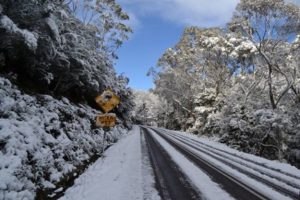
With the winter holidays knocking at the door, many people would be busy planning their road trips with friends and family. Driving during winter, especially through snow-clad roads can be fun but dangerous as well. If you have any such plans make sure an experienced driver drives you through. You may have heard people talking about the safety measures people should take while driving on snow-clad roads; but not all of them are right. Some are true, while some are people’s own perceptions.

People often say a four-wheel drive is the best when driving during the winter, but it is only true if the roads are heavily snow-clad; however, investing in a four-wheel drive would be a good option keeping the safety aspect in mind. So what are the other things you need to consider if you are planning to go on a long drive this winter? Here are some factors that you should consider:

The Right Kind of Tires

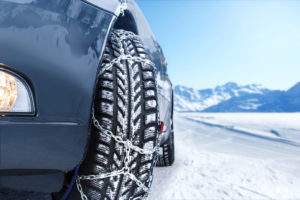
In some countries, it is a must to have snow tires; while in Australia you can do with an all-weather treads. However it is mandatory to have the snow chains on when driving a non-AWD vehicle. You need to choose depending upon your destination. If you choose a smaller car and you plan to go Snowy Mountains, we would highly recommend you to rent some snow chains as well. You can rent the snow chains at the Snow Mountains too, thus will incur some delays in your trip while you could of been already enjoying the trip without interruptions. It is also getting slightly more expensive as you approach the snow areas. So it is recommended that you have a talk with the car rental agency about the rates for all the extras you need, in case you need to hire a car with snow chains.

Hiring a 4WD makes things easier. A 4×4 cars are not required to fit the chains in Australian conditions.

Check the Car Condition Thoroughly

This is very important, since a breakdown in the middle of a snow-clad road can give you a tough time. Moreover, driving on snow is very dangerous, so a car that is not in its best condition can lead to severe or fatal accidents. Therefore before hiring a care, here are the things you must check:

  • Whether the head and back lights work properly
  • Whether the wipers are in good working condition
  • The tire conditions
  • The weather conditions of the destination you are heading towards
  • The 24×7 road side assistance across all the areas you are travelling to

Low Cost Car Rentals offers NRMA services included in each car hire. Check some information from them too: Safer driving in snow.

It is also recommended that you start with a full tank to ensure the car does not stop in the middle of the road.

The Right Kind of Car

Choosing the right kind of car is very important to ensure the safety of your co-passengers. For instance, a car with manual transmission is best for snow covered roads. Again a four-wheel drive is best for mountainous terrain, while if you are driving on a plain road then choosing a car with anti-lock braking system would be the best.

Check more tips in here Snow driving.

Don’t Forget the Extras

Even though travellers are recommended to bring their own extras, they might require hiring some from the car rental agency during the winter. These include ice scrapers, warm driving gloves, snow chains, roof racks, etc. You can bring them along if you already have them.

We also recommend you to check the tips and tricks posted on different forums by other travellers who are more familiar with the area you are traveling to. For those who are planning to go to Kosciuszko National Park in NSW we recommend to check this link Safety tips in Kosciuszko National Park.

Driving during winter can be exciting and fun but only if you have taken the necessary safety measures. Talk to your car rental agency and get going. Here at Low Cost Car Rentals we will have all the arrangements to make your journey safe and enjoyable.

Cheap car rental made easy

While a road trip can be a great way to get you away from the everyday hustle and bustle, don’t jump into booking cheap car rental without proper research.

There are indeed many companies offering cheap car rental. Always be careful and consider the following tips. We will try to help you find your best deal so you can hit the road and start exploring.

Cheap car rental

1. Book in advance

When you book in advance you will almost always get a better deal than at the counter. And it’s easier and quicker. The last thing you want to do after a long flight is deal with rental car companies at the airport and negotiate a deal.

Be sure to take all your documents with you as proof of hire and your rates to avoid any hassles (scan and save in your email account).

2. Read the paperwork thoroughly

Before fixing the deal for cheap car rental, make sure that the paperwork is thoroughly studied by you. While rushing through it, you may miss on some important terms and conditions which might turn out a major surprise for you once you are back from your trip. Do not leave room for any doubt or uncertainty. This will save you from paying the extra charges, which we are sure no one really wants.

3. Check the insurance

Most of the cheap car rental come with full insurance. However it is always better to check that you are being covered from every aspect. This will help you understand whether there will be any excess charges or not. Ask the hire company what is your excess in case of the accident. It is important to know what happens if it is a “one vehicle” or “not at your fault” accidents.

Here at Low Cost Car Rental in Sydney we always read the important terms and conditions to our customers. If you hire a car from someone else, make sure you ask those questions before driving away.

4. Stick to the known cheap car rental companies

If you are hiring cars frequently, we suggest you to find one company and stick to it. For example, Low Car Rentals always give some discounts to our return customers. It is not always a money value. Our repeat customers often get free car delivery, GPSs or extra kilometres at no charge.

5. Keep a tab on discounts

There’s no issue if you aren’t regular with the car hire, you are still entitled to get discounts and other free extras. The only thing you have to do from your part is to ask for it. Also, don’t forget that most of the companies offer “Price guarantee” policy. Get a quotation from another car rental company where it clearly states what car they offer, kilometres allowance and insurance excess amount with the price in the local currency (e.g. AUD in Australia). You will most probably get the same deal from any other place. Low Cost Car Rentals often beat price by offering further discounts. Unfortunately it is always a subject to the cars availability and might not work with another discount or offer (e.g. free GPS or Unlimited kilometres package).

6. Check the fuel policy options

Almost all rental car companies will require you to return the car with the same amount of fuel it had in the tank at pick-up. Others operate a fuel policy where you, the renter, must purchase the first tank of fuel and may drop the car off empty. In this case, there may be no refund for unused fuel.

Where the car hire company charges for fuel, the cost may be higher than it would be at a local petrol station.

7. Age requirements

In most locations, the minimum rental age is 21 years. Additional fees can apply with certain car rental companies for drivers aged under 25 years or over 65 years. They are defined as more at “risk” drivers.

If you’re not yet over 25 years but are traveling with a companion who is, have them be the designated driver to save on this cost.

8. Additional driver fee

Extra fees typically apply for additional drivers. If you can get by with having only one designated driver you’ll typically save $15 per day. Of course, NEVER run the risk of driver fatigue, a few extra bucks is nothing when it comes to your safety and that of others on the road!

9. Additional state taxes and admin fees

Be aware of additional state taxes and fees that may apply if you cross state borders. And don’t lie about where you are taking the vehicle, because if you have an issue you probably won’t be covered by insurance! Always ask the rental company of any restrictions of the vehicle use. Don’t forget to ask if the quotation you got includes all the administration fees and is final. So you will not be mandated to pay extra money when picking up the car and will be in the situation where you have no choice but paying it.

Here in Low Cost Car Rentals, all our prices and quotations we issue are final. Remember it is often issued with an assumption that you are over 25 years old and hold a full Australian Driver Licence. If you don’t meet the age requirement or still on your Ps, make sure to tell the rental company about in advance.

10. Don’t use your debit card

Book using your credit card. Not only for added consumer protection and rewards points if it’s a rewards card, but rental companies tend to hold a larger deposit for use of debit cards and the hold on your deposit may take days to be returned.

11. Inspect your car before driving away

Do a thorough inspection of your rental car before driving out of the lot. If you find any damage fill in the documentation (get a copy) and take pictures with your phone so you have a time & date stamp. You don’t want to be held liable for damage from a previous driver.

Remember, You are entitled to do any checks you feel required. You can start the car, check the lights and air conditioning are working. Obviously all the car rental companies supposed to offer only safe cars to drive and perform all-around checks of the vehicles before offering to you. However, especially in the peak season, it is better to take the extra 15 minutes and have a proper look of the car you intend to hire.

12. Extra day may be cheaper

Cheap car rental often start when you hire a car for long term. Sometimes a 7-days deal can be cheaper than a 6-days one.

Often if you pick up the car at 9am and return at 10am, it can count as an extra day. Make sure you ask the car rental staff on how you can save on your rental prices. May be you can drop a car a little earlier to avoid paying the extra day. Sometimes, dropping off the car on a public holiday can involve the holiday surcharge.

If you can make a note of these points, can help you comparing the car rental prices from different companies. Also, you will be able to save money on car hire along with enjoying a leisure trip.

Cheap car rental deal is a good way to start your journey.

People movers hire for large families: 7- and 8- seaters

People Movers Options
The snow season is coming, so is the high demand for the people movers. We are always looking after our clients and want them hire the best suited car. Besides it will save them some money too.

There are now so many 7 seaters available. In this article we will focus on the mini vans only and I promise to put together another post on SUVs that suit larger families.

VW MULTIVAN

Pros: Can fit up to 7 people and would be very roomy inside. The car offers European safety, lots of power, diesel and good boot space. It is great for big kids and adults to travel comfortably. The vehicle is very reliable and goes the distance. This car is also known as a Volkswagen Transporter before being released as Multivan.

Cons and gotchas: height can be an issue in some carparks (look for 2.1m clearance). It is 7 seats but the 2nd row would be great as a bench seat making it an 8 seater. It can come with the table as an extra but how often do you think you might use it? A lot of people told us they have never used it. We are not sure if it was just our issue, however Low Cost Car Rentals team decided to replace all of our VW with Toyotas just because of our door problems in this specific VW model.

VW CARAVELLE

Pros: Newer models come as 9 seater which suits large families nicely. It is quiet spacious inside, european safety and quality. The car is reliable and well priced among other 9 seaters offered for hire.

Cons: Height can be an issue. Longer body than the VW Multivan for parking. The boot space is not as big but there is some room inside the van for bags etc.

HYUNDAI IMAX

Pros: It is probably one of the cheapest vans for this size. Mostly this car comes as a 7 seater, however it is possible to rent an 8 seater as well. Hyundai iMax offers good sized seats in the back. You can even walk around inside. You will be amazed with the great boot space too. Some rental companies add an extra 9th seat in the first row making it a 9 seater.

Cons: doesn’t have the european safety, you can also note some heaviness in the body and doors. Therefore the cheaper price. If you’ve ever opened a VW or Mercedes van then you know what I’m talking about. Some vans come slightly smaller in size if you only have little children (with little legs). Otherwise, make sure you ask the rental company about the dimensions of the specific model they offer.

KIA CARNIVAL

Pros: well priced, 8 seats, drives like a car as not as big as other vans, easy to park, no height restrictions to worry about. The newer Carnival model looks amazing with a new shape.

Cons: Not as spacious. Although it’s an 8 seater some of the seats are smaller in the back. Check you can fit all of your car seats in and still fold down the seat to get into the back. Carnival doesn’t have the heaviness in the doors and body compared to an european van. Older models had some engine problems. So make sure the company you rent it from offers 24/7 road-side assistance. Fortunately, I overheard the manufacture has already switched to new engine so be careful renting older models or cars with a lot of mileage on it. Always ask, if the rentals include the road-side assistance as well.

TOYOTA TARAGO

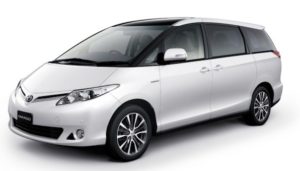
Pros: One of the best and the most popular rental cars among MPV. It is built to last and they just keep going and going (we see some older ones in our fleet and we have never had any issues with it). The car can be a 7 seater but most of the companies offer the 8 seater option. This vehicle is the most reliable car among all. It has very nice and attractive body shape. You will find it easy to drive and park. You will not have any height issues compared to the bigger vans.

Toyota Tarago

Cons: I could not think of any. You may pay a little extra but you will get what you paid for.

MERCEDES VALENTE, VIANO, VITO

Pros: european safety and heaviness in the doors and body, luxurious, reliable, roomy inside, great boot space, 8 seater and good full sized seats. Great for lots of kids, car seats and long legs.

Cons: Price, price, price. Luxury cars offer great comfort but you will have to pay for it.

CHRYSLER GRAND VOYAGER

Pros: roomy inside, 7 seats, reliable, luxury features. It is not as big as some of the other people movers.

Cons: Price and size. It is slightly smaller than others and will cost you some buck since it is considered a luxury car too.

HONDA ODYSSEY

Pros: Offers 7 or 8 seater options. It is not as big as some people movers so it will be easy to drive/park. Newer model has really changed and are larger.You will find some luxury features inside that will pleasantly surprise you.

Cons: Price. Also, it is not as big inside as other people movers which can be an issue with carseats.

MERCEDES SPRINTER MINIBUS

Pros: 12 seater, european build (think heavy safe doors and body) and safety features. It is reliable vehicle of a great quality, Would suit really big families and long travels.

Cons: Price – the vehicle itself isn’t cheap therefore the rental companies will have to price the hire fares accordingly. Height and size of van for shopping centres/carparks/parking can be a trouble.

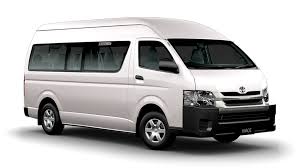
TOYOTA HIACE COMMUTER

Pros: Big enough to fit the largest of families (OK maybe not the Duggars but plenty of room for everyone with 12 seats or 14 seats in the super long wheelbase), great for parties and playdates as extra seats, reliable and they go and go and go. The vehicle is well priced. Note: the word “commuter” means it is a people mover, also called full-size van and has 4 doors. Don’t confuse it with the commercial version of it that normally comes as a 2 seater and 2 doors, suited to move things.

Toyota Hiace Commuter

Cons: parking at shopping centres (you’ll need bus parking) and height considerations in carparks, OK parking full stop! Otherwise another great vehicle.

IMPORTS

The Japanese do some nice people movers that aren’t available from dealers and you might have seen a Nissan Elgrand around and there seem to be a few in Sydney. There is also a japanese version of Toyota Tarago called Estima – it mostly looks and feels exactly the same as the australian model. However it might come as a AWD and cost you more on petrol. Car Rental companies rarely supply the imports to their customers as they are more expensive in servicing and repairing. It could also get you in trouble with the road-side assistance if you need one – it might just take a little longer to help you when you need help.

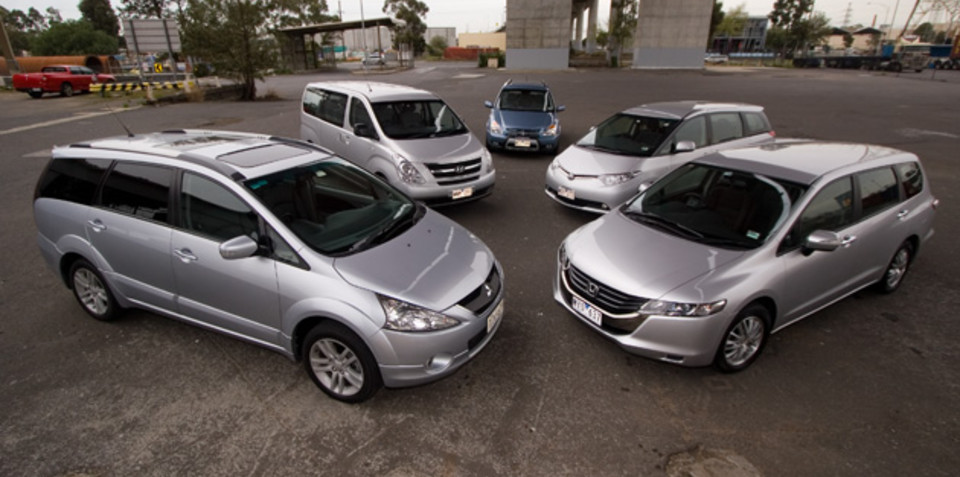
Among other imports: Mazda MPV (seats 7), Hyundai Trajet (seats 7, older version of Hyundai iMax), Mitsubishi Starwagon (comes as 7 or 8 seater), Mitsubishi Grandis (seats 7).

CONCLUSION

To summarise will just list down all the things to consider when renting a family van:

  • how many carseats do you have/need to fit in and how many anchor points
  • how big is the boot for your pram (especially if you have twins, 2 or more little ones)
  • budget
  • where will be you driving (just locally, inner city, country etc)
  • how long do you go on family holidays for and is it big enough
  • reliability and reputation
  • easy to drive, park and get kids in and out
  • safety, safety and safety (e.g. how many airbags are fitted throughout the car)
  • petrol and the cost of it

Self-driving cars and the Future of Car Rentals

Revolution is coming

Self-driving car

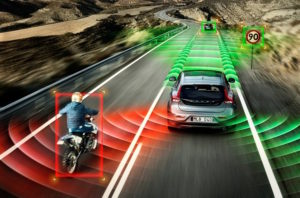
Cars capable of driving themselves – some of the time at least – are taking on the roads. There are two competing approaches:

  • adding self-driving features to existing cars as driver aids,
  • and building entirely new vehicles that can operate only in autonomous mode (fleets of which could operate as taxis in a city centre, for example, summoned using a ride-hailing app). Self-driving trucks are also being under development.

Every century the humans come up with at least one revolutionary change. It happened when digital cameras replaced film cameras. Now the printing industry is dying in favour to the emailing and electronic documents storage. Any revolution comes with skepticism but technology always wins because it makes our lives easier and better.

There are many historical parallels with the advent of the motor car more than a century ago. Among them: concerns over safety, regulatory uncertainty, liability in the case of accidents and worries that the new technology will destroy jobs. The car displaced the existing travel infrastructure built around horses and carriages. Obviously it impacted their related professions as well. But it also created new jobs for mechanics, drivers and workers in roadside service stations. It stimulated commerce more generally (car rentals business is one of the instances) by making travel easier. A switch to autonomous vehicles, feared by truck drivers and taxi drivers, would have a similar dislocating affect, but also offers benefits in the long term.

What is next?

Just imagine, you can still commit to a few drinks at work while your vehicle is waiting for you at the car park. You can go on travel and save on a hotel room while your car is driving you far away at night and your whole family is having a nap at the back. We are thinking that self-driving people movers and motorhomes are going to be the most popular autonomous vehicles for rent. They are already self-driving trains all over the world, so why not buses and mini vans next?

Models suggest that shared, self driving taxis could reduce the number of vehicles needed in a typical city by 90%. Most people would no longer need to own a car. Space wasted on parking (as much as 20% of the area of some Australian cities) could be used for housing or parks. And autonomous cars could be electric, thus reducing climate-changing vehicles might greatly expand demand for products (such as food) made locally. In developing countries, billions of people might skip car ownership altogether. Car accidents and death would plummet. Just as cars reconfigured cities in the 20th century, both history and current trends suggest that autonomous ones could do the same in the 21st.

Car Rentals Future

We suspect the car rental companies would experience a revolutionary change in its services as well. Low Cost Car Rentals has already replaced all the manual cars with automatic. The reason being, we spotted that 97% of our customers preferred automatic transmission over the manual. Despite, the manual cars were involved into more accidents and we want our customer to be safe and happy.

We also foresee the rental rates might raise until the self-driving cars get cheaper. However a lot of people under 25, young tourists and professionals can avoid extra fees and charges. No more excess reductions, no extra charges for overseas license holders and no P-plates. Everyone would be able to save any costs associated with just being an approved driver.

Insurance industry will freak out at first. The road Police will have to make a lot of adjustments into their day-to-day responsibilities. Nevertheless the benefits the change offers just too good to stop it. All of our Low Cost Car Rentals staff here in Sydney can’t wait for this revolution to happen.

We all know, the vehicles are more exciting if piloted by humans. But in future that seems likely to be the exception, not the rule.

Rental cars for long term or buying a vehicle – Scenario #2

Rental Cars vs Owned

We have already proven that buying a brand new car when you only use it over the weekends is 3 times more expensive than rental cars.

You can do a quick recap over here: Long Term Car Rentals VS Buying Car – Scenario #1.

The calculations in the previous post were around medium size car Toyota Corolla.  If you were to rent a people mover (7 or 8 seater), you could expect the purchase price would be even higher. Therefore hiring such vehicle will save you more money than owning one.

Lets put another life style under the review.

Scenario #2. Extremely active family. Driving from and to work on a daily basis, constantly taking kids to school, driving to shops multiple times a week.

Now, lets also assume they are taking long holidays a few times a year – Snowy Mountains for 3 weeks in winter, Byron Bay for 2 weeks in spring, 2 long weekends in Jarvis bay during summer and 2 days at the Blue Mountains in Autumn. Not to mention, they like camping so would need a 4WD for most of their adventures.

Wow, we have one of the target of finding the cheapest option for those guys.

As you can guess, buying a 4WD just like renting one for the whole year will be very expensive. Nevertheless renting will still be cheaper. A brand new Toyota Kluger AWD would cost you at least 44,000.00$. Interests on such loan will be through the roof.

Our goal this time is to minimise the family expenses so they still have some money left to have fun at all those places they are visiting.

To achieve the goal, we will need to come up with a mixed option. Don’t forget rental cars can be changed almost every day.

You can go from a very cheap option renting a Hyundai Getz or similar. A week later you could rent a 12-seater mini bus in case your relatives are in town. Then, you can hire a Four Wheel Drive to go to snow in winter or camping in summer.


Rental cars


Lets roughly calculate how many days you would need the all wheel drive for.

3 weeks in Kozciuszko National Park is 21 days. Renting a 4×4 car will cost about 70$ a day, that rate would include the unlimited kilometres and insurance with default excess. The price for the whole period will be 1470$.

2 weeks in Queensland is 14 days. The total will be 980$.

6 days down south in Jarvis Bay and 2 days up at the Mountains will come to 8 x 70 = 560$.

Lets add at least 3 weekends camping, another 420$.

The total cost for renting the AWD would come to 3430$ annually. I don’t see a reason to continue calculating. There would be no way you can buy even used 4WD for this amount of money.

Its not over, we shall find out what would the family do for the rest of the days when they need to go to work and drop kids to school?

There is roughly 240 working days in the year. Renting a medium size car like Toyota Corolla would cost you 240 x 35 = 8400$.

Guess what? This active family still paid less than a cost of the used car from the scenario #1 (to remind you the previous family sold it for 15,000.00$).

Once again, when hiring a car, you don’t need to pay any extras except your rental fees. When buying one, you pay for the service, road side assistance and insurance out of your pocket.

So scenario 2 proves rental cars for any of your needs all year round are still cheaper when buying a used vehicle and paying all the extra costs for its registration, maintenance and insurance.

Long term car rentals or buying a car – Scenario #1

What is cheaper – long term car rentals or owning a car?

Long term car rentals vs Owned cars

I have been asked this question way too often. Therefore I became curious myself and did some calculations. I had proven, these days it is potentially easier and much cheaper to hire a vehicle rather than buying one.

Below is to prove the statement above is legitimate.

Firstly, we will have to make a few assumptions:


Assumption #1. A person or a family changes cars every 3 years.

Assumption #2. There is always a rental car company available in your area.

Assumption #3. You are over 25 years old with a full Australian driver licence and have not lost any demerit points in the last 3 years.


Secondly, we would want to do similar calculations for different life styles.

Here is the Scenario #1. Young family, active life style involves a lot of travelling. The public transport is used to get from and to work. Car is mostly used on the weekend to visit family and friends, do shopping and go on hiking or to the beach.


Buying a car.

Lets use the calculator on the Toyota website: Car Loan Calculator

Here we are going to buy a delightful Toyota Corolla 5 doors Hatchback Petrol (latest model). We will take the 3 years loan with 5000$ deposit. The calculator shows the cost of 921.62$ monthly with 7.5% interest rate. The repayments part will equal to 33,178.32$ for 3 years, so the total car price including the deposit money will become 38,178.32$

Toyotas are one of the best cars in the world, the most reliable and the dealers are freely offering drive-away prices, means you do not need to pay anything for the registration and green slip for the first year. However the consequent years will cost you approximately 1200$ annually. So it is 2400$ for 3 years.

The expenses don’t end here. To get the best out of your warranty and not to get into a trouble with your car, you will have to service your vehicle regularly. You can find the service fees from one of the Sydney Toyota Dealers here Toyota Capped Price Servicing.

Here we are assuming you don’t travel more than 400km a week. That would come to 20800km a year, around 62400km for the period of 3 years. Considering above, each service would cost around 140$. Please note that in case you need the new oil, engine or suspension service, tyres or break pads replaced, it is charged on top. Approximately 50$ each time. According to this schedule Toyota Service Intervals you will need to service your car at least 6 times in 3 years. That brings the total cost to (140 + 50) * 6 = 1140$.

The expenses list goes on. Nowadays it is absolutely essential to have the 24×7 road side assistance. Costs 199$ annually and comes to 597$ for 3 years.

Now, the most interesting part – the insurance. Considering that most of the hired cars have comprehensive cover included in the rental fees, would be fair to base our calculations as we were to purchase the full comprehensive insurance. That is where we need the assumption #3. If you are a driver with a good driving history you can be lucky to get the cheapest premium which is about 1000$ a year. This brings us to 3000$ expense over 3 years.

Fortunately, we can sell the car in 3 years and get some money back. Lets check Car Sales to know how much we can expect. Luckily, Toyotas always keep their resale value, you can get impressive 15000$ back when selling the vehicle.


Rental vehicles.

Lets review the above and see what fees are applicable when renting a car.

Car cost are equivalent to the rentals fees. It would be about 70$ for 2 days each week with 400km included. Brings it to 3640$ a year.

Registration and green slip – 0$.

Servicing – 0$. The Rental Cars Company takes care of it for you, you just need to bring the car back in time.

Road side assistance – 0$. Because it is included into the rental fees of the most car rentals.

Insurance – 0$. The default insurance is already included.


To conclude:


* buying a car for 3 years will cost you 45,315.32$ but you will get 15,000.00$ back. Surprisingly the cost of owning the car over 3 years was 30,315.32$.

* renting a car for 3 years would cost you 10,920.00$.

As per above, hiring a vehicle is almost 3 times cheaper than owning a car. Also, lets not forget the rental cars are almost hassle free. And that is the reason why the car hire is in demand these days.

The only benefit of buying a car, you will get to drive a brand new vehicle with that factory smell in it that eventually goes away. Obviously, new cars can be a disadvantage to some who knows the pain of getting the first scratch.

Feel free to perform your own calculations if you think of checking whether buying a used car will make much difference. Obviously, the vehicle would cost you less but servicing of a used car always involves bigger cost. There could be additional costs of pink or blue slips depends on the car age. Lets not forget, the resale value of the older vehicles might not be as attractive.