
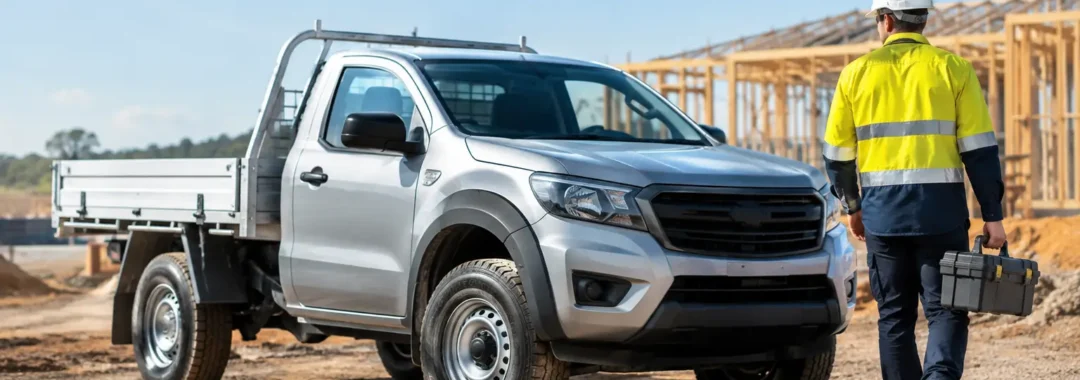
A ute that looks the part in a showroom can become a headache once it is loaded with tools, materials and two workers before 7 am. The best utes for tradies are not necessarily the biggest, most expensive or most heavily accessorised. They are the ones that safely carry what your work actually requires, fit your budget and stay practical through a busy week.
For a Sydney sparky, plumber, landscaper or builder, the right choice often comes down to a few real-world questions. How much gear goes in the tray every day? Do you tow regularly? Will the ute spend most of its time in tight suburban streets, on motorways or at job sites? And if you only need one for a short project, is hiring more sensible than taking on the cost of ownership?
What makes a ute right for trade work?
Start with the job, not the badge on the grille. A tradie carrying hand tools and light stock has very different needs from someone towing an excavator or carting pavers. Payload, towing capacity, tray setup, cabin layout and running costs all matter, but their importance changes depending on the trade.
Payload is the figure many buyers and renters overlook. It is the maximum weight the vehicle can carry, including people, tools, fuel accessories and tray contents. A dual-cab ute may advertise a strong payload figure, but adding a heavy canopy, drawer system, tow bar, roof racks and a full crew can reduce what is legally available for equipment. Always check the specific vehicle’s compliance information rather than relying on a headline figure from a different variant.
Towing is equally worth checking if trailers are part of your work. Many popular 4×4 dual cabs are rated to tow up to 3.5 tonnes braked, but that does not mean they can carry their maximum payload at the same time. Combined vehicle limits apply. If you regularly tow heavy machinery or a loaded trailer, getting the weights right is a safety and insurance issue, not paperwork to deal with later.
Then there is usability. A work ute should be easy to load, easy to secure and comfortable enough that you are not worn out before the workday starts. Consider tray height, tie-down points, a reversing camera, mobile connectivity, air conditioning and driver-assistance features. These are not luxuries when you are making multiple stops across Sydney traffic.
Best utes for tradies by type of work
There is no single winner for every trade. These common ute types are useful starting points when comparing a vehicle to hire or buy.
Dual-cab 4×4 utes for mixed work and family use
The Toyota HiLux, Ford Ranger, Isuzu D-Max, Mitsubishi Triton, Nissan Navara, Mazda BT-50 and Volkswagen Amarok are familiar sights on Australian job sites for good reason. They combine five seats, a practical tray and available four-wheel drive. For a sole trader who needs a work vehicle during the week and family transport on the weekend, this format makes a lot of sense.
The trade-off is tray length and payload. A dual cab gives rear passengers more room, but the tray is usually shorter than a single-cab or extra-cab alternative. It may be ideal for toolboxes, ladders and a moderate load, while long lengths of timber or bulky materials may need a rack or trailer. Four-wheel drive also adds purchase price, fuel use and maintenance costs, so it is best justified by regular site access, wet ground, gravel roads or towing needs.
The Ranger is often praised for its cabin technology and towing confidence, while the HiLux has a long-standing reputation for resale value and broad service support. The D-Max appeals to plenty of cost-conscious operators because it is straightforward, capable and generally strong on safety equipment. The right answer comes down to the variant, payload rating and how you plan to fit it out.
Single-cab and extra-cab utes for carrying more
If the ute is primarily a work tool, a single cab deserves a serious look. With no rear seating area, it can offer a longer tray and, in some configurations, more useful payload. This suits builders, fencing contractors, gardeners and delivery work where materials matter more than carrying a full crew.
An extra cab sits between the two. It provides occasional space behind the front seats for gear, not necessarily comfortable everyday adult seating, while retaining more tray length than a dual cab. It can be a smart compromise for a tradie who needs lockable interior storage and longer loads but rarely carries more than one passenger.
These variants are often less flashy than a high-spec dual cab, which can be a benefit. You may pay less upfront and have fewer accessories adding weight. If you are comparing hire options for a renovation, move or materials run, a tray-focused ute can also be easier to load than trying to force everything into an SUV or van.
Two-wheel-drive utes for urban jobs
Not every tradie needs 4×4. A 4×2 ute can be a practical, lower-cost choice for city and suburban work, particularly for electricians, painters, maintenance crews and couriers travelling mainly on sealed roads. They are generally cheaper to buy and can use less fuel than a comparable 4×4.
The limitation is obvious when conditions turn poor. Loose soil, steep wet sites and unsealed access roads can quickly expose the difference between two- and four-wheel drive. If your work regularly takes you beyond kerbs and car parks, paying more for 4×4 capability may save time and stress. If it does not, a 4×2 can keep your operating costs sensible.
Cab-chassis utes for a purpose-built setup
A cab-chassis ute arrives without the standard factory tub, allowing you to fit a tray, service body, tipper or specialised storage system. This is often the best route for trades that need organised access to a lot of equipment, such as mobile mechanics, plumbers and electrical contractors.
It costs more to set up properly, and the body needs to be chosen with vehicle weight limits in mind. But a well-planned tray and canopy can reduce wasted time searching for parts, protect expensive gear and present a more professional image when you arrive at a customer’s property.
Do not choose on towing figures alone
A 3.5-tonne towing claim is attractive, but it should not be the whole decision. Check the gross combination mass, tow-ball download limit and the payload remaining once the trailer is attached. A loaded trailer puts weight on the tow ball, and that weight comes out of the ute’s payload allowance.
For occasional light trailer use, nearly any modern ute may do the job. For frequent towing of machinery, boats or heavy construction trailers, speak with the manufacturer, dealer or fleet provider about the exact variant and weights. It is better to select a vehicle with capacity in reserve than work permanently at its limit.
Buying versus hiring a work ute
Buying can make sense when the ute is on the road every day and needs a permanent fit-out. You control the accessories, branding and storage layout, and regular use can justify finance, registration, servicing and insurance costs.
Hiring can be the better-value option when demand is temporary. Perhaps your own vehicle is being repaired, you have a large delivery to collect, a weekend project needs more carrying space, or you need an extra vehicle for a short contract. It avoids tying up money in a vehicle that may sit idle once the work is done.
Before booking, ask what is included in the daily rate, bond requirements, kilometre allowance, insurance excess and after-hours return options. Also confirm whether the ute has the tray size, tie-down points and towing approval you need. A lower advertised rate is only useful if the vehicle suits the job without unexpected costs.
Low Cost Car Rental offers practical ute hire for Sydney customers who need a straightforward vehicle for work, moving or collecting materials without the expense of long-term ownership. For short-term needs, clear conditions and the right vehicle can make the day far easier.
A quick check before you load up
Take a few minutes before setting off to confirm the load is within the ute’s limits and secured properly. Keep heavy items low and close to the front of the tray where practical, use rated restraints, and make sure loose tools cannot shift under braking. Check tyre pressures for the expected load and make sure mirrors, lights and number plates remain visible.
If you are carrying long materials, do not rely on a quick knot and optimism. Use suitable racks or restraints, follow overhang rules and allow extra braking distance. A ute earns its keep by carrying work safely, not by carrying more than it should.
The best choice is the ute that matches your normal workload with room to spare. Be honest about what you carry, where you drive and how often you tow, then choose a simple, capable option that keeps the job moving without blowing out the budget.
